
October 12, 2026 — Artificial intelligence continues to transform the digital retail landscape, giving merchants an extensive array of specialized tools designed to streamline everything from initial store creation to complex inventory forecasting. Industry analysts note that selecting the right AI platform depends heavily on identifying which operational bottleneck drains the most time and resources, whether that involves web design, catalog copywriting, customer retention, or multi-channel advertising analytics.

Modern platforms leverage deep integrations with real-time store data, including live product inventories, past order volumes, browsing habits, and individual customer histories. This direct access allows automated systems to effectively recover abandoned shopping carts, recommend complementary products, resolve routine order inquiries, and anticipate future stock requirements before shortages disrupt sales.

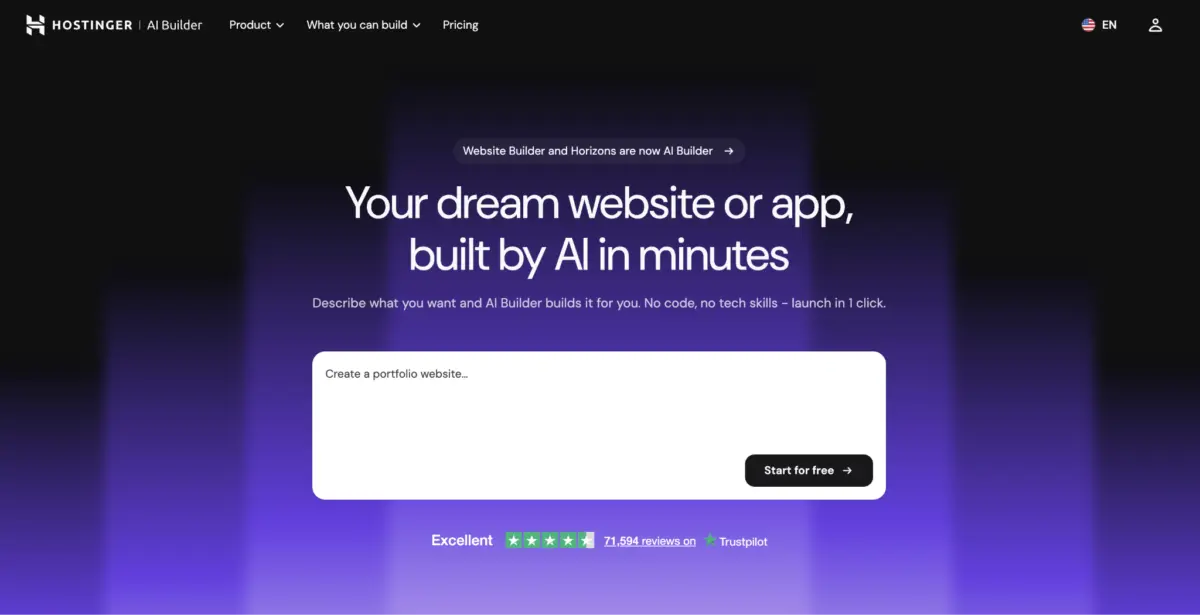
For entrepreneurs launching new ventures, all-in-one solutions offer a streamlined entry point. The Hostinger AI Builder, for example, enables users to generate a fully functional online store from a basic business description. By uploading a single product photograph, merchants can automatically produce complete listing copy, determine optimal pricing suggestions, and format visuals for immediate deployment across physical goods, digital assets, subscriptions, and gift cards. Furthermore, round-the-clock live chat support ensures that store operators receive immediate assistance without facing frustrating delays.

For established merchants already operating within specific ecosystems, embedded solutions provide administrative efficiency without requiring separate software subscriptions. Within the Shopify ecosystem, Shopify Sidekick and Shopify Magic combine forces to handle day-to-day management tasks and content generation. Sidekick acts as a conversational administrative assistant for workflow automation and performance analysis, while Magic serves as a writer and image editor capable of drafting product descriptions and refining visual assets directly inside the merchant dashboard. While these integrated tools lack the advanced inventory forecasting capabilities or cross-platform flexibility of standalone enterprise software, they provide rapid execution for routine administrative burdens.
When scaling catalog operations, maintaining visual and textual consistency across hundreds or thousands of products often presents a major challenge. To combat this, specialized tools like Photoroom and Jasper focus on production quality at scale. Photoroom standardizes product photography by automatically removing cluttered backgrounds, placing items onto cohesive backdrops, and resizing images to meet various marketplace specifications. This visual consistency ensures that items photographed under differing conditions present a unified brand image across all sales channels.

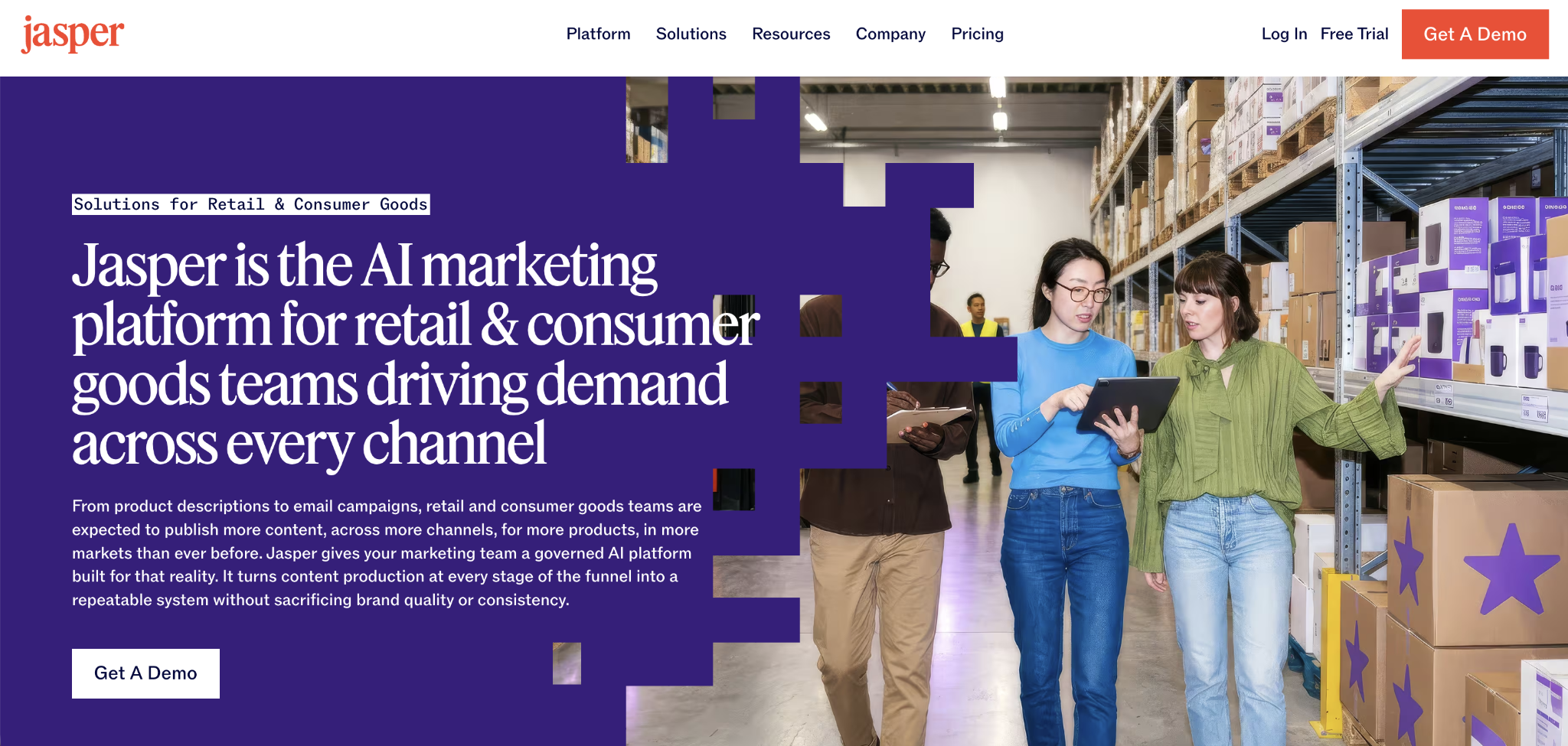
Simultaneously, Jasper addresses the bottleneck of catalog copywriting. By loading technical specifications, brand guidelines, and style guides into a centralized Knowledge Base, the platform’s specialized agents generate consistent product descriptions tailored to specific target audiences and sales channels. Although these external platforms require manual publishing to store pages, they significantly reduce the labor required to maintain uniform branding across large inventories.

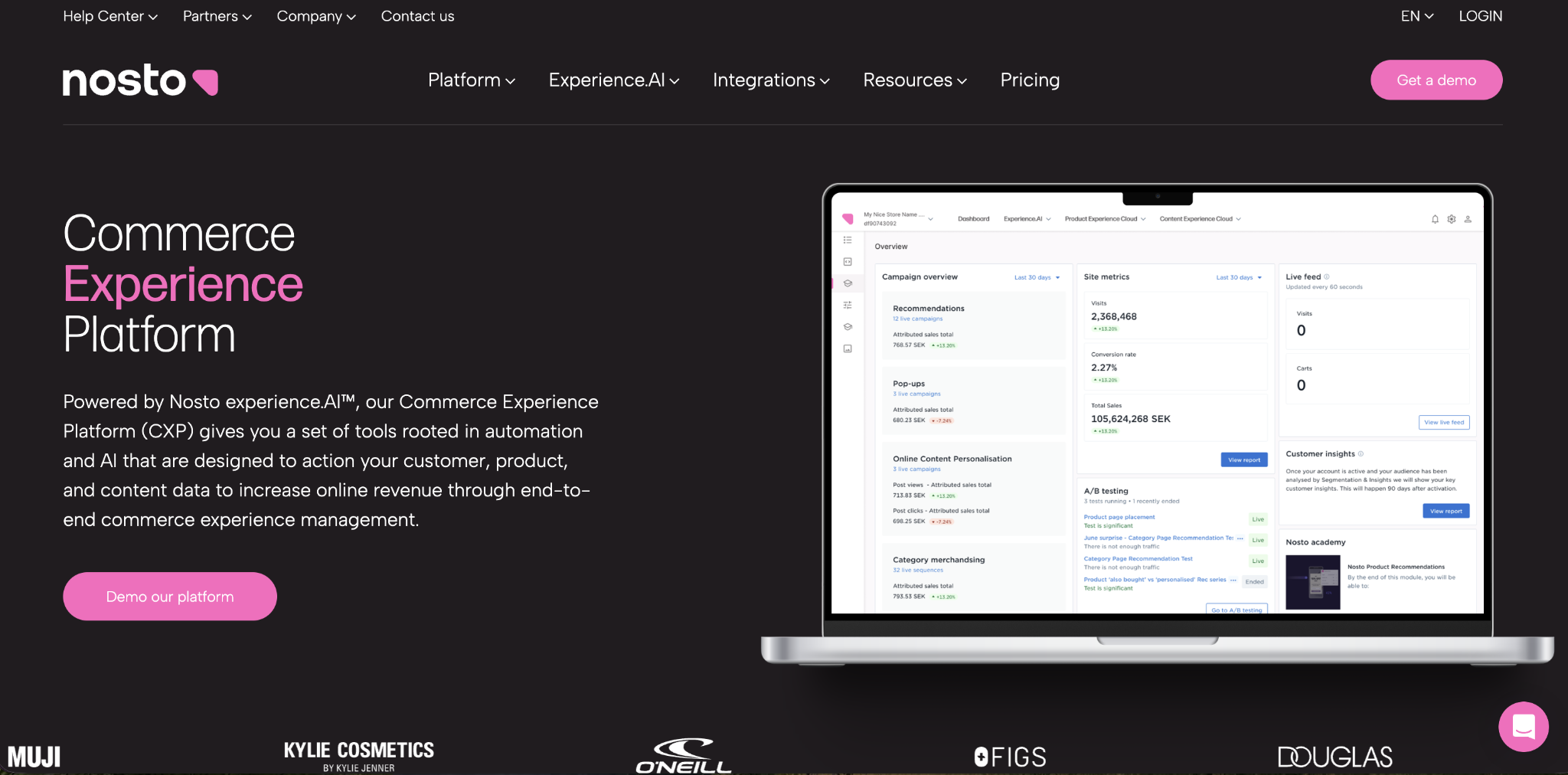
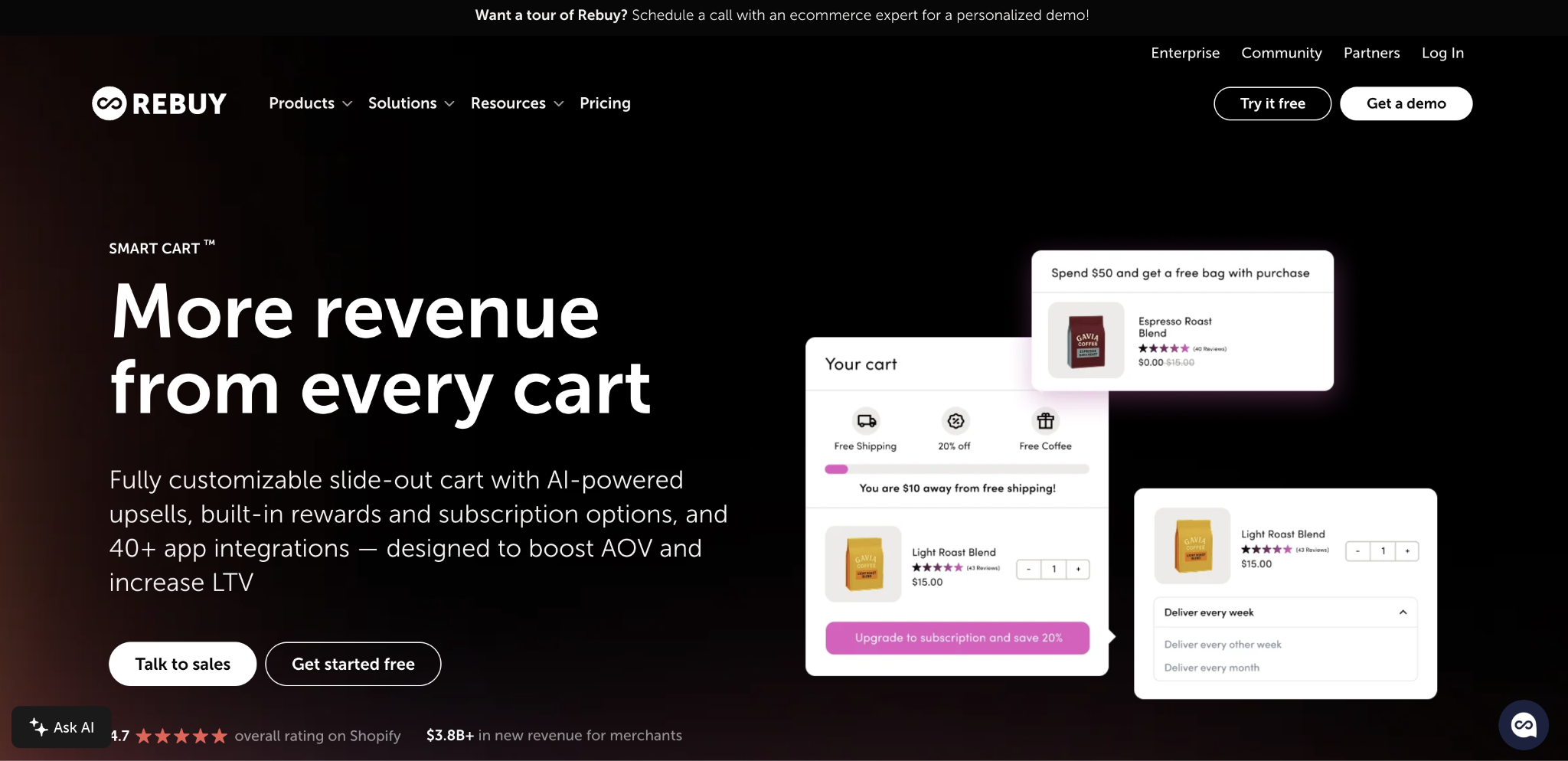
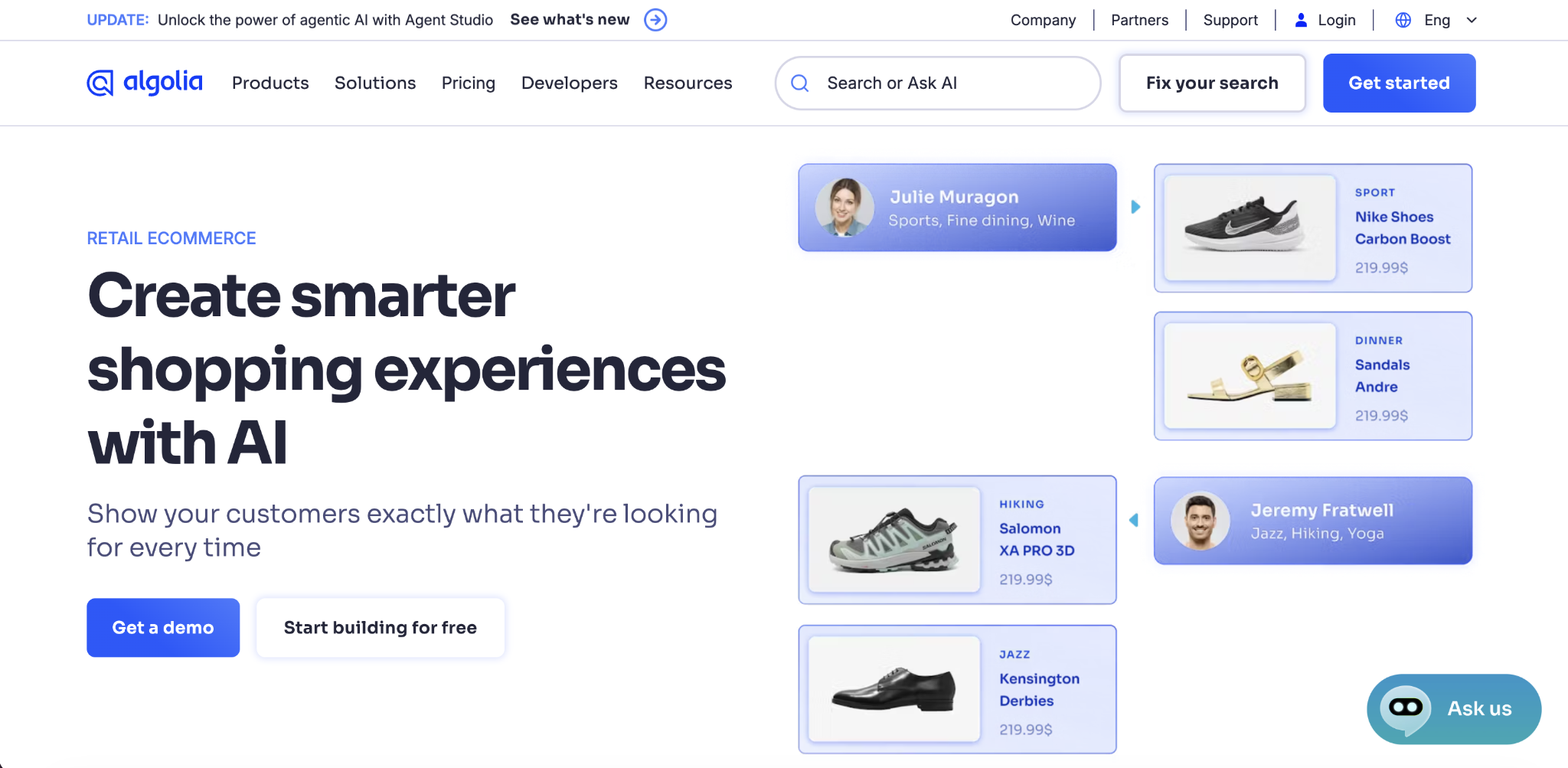
Optimizing the customer discovery and purchasing journey represents another major frontier for artificial intelligence in digital retail. Platforms such as Nosto, Rebuy, and Algolia target distinct phases of the shopping experience to maximize revenue. Nosto personalizes storefronts in real time by analyzing individual browsing and purchasing behaviors to highlight relevant products, making it particularly valuable for mid-market and enterprise brands with heavy web traffic. Rebuy focuses specifically on cart and checkout optimization, driving average order values through intelligent upsell and cross-sell recommendations during the final stages of purchase. Meanwhile, Algolia enhances product discovery by upgrading native search engines to intelligently handle typos, synonyms, and nuanced queries, ensuring shoppers locate desired items even when using non-standard search terms.
Retention marketing and customer support have similarly evolved through predictive data analysis. Email and retention platforms like Klaviyo and Omnisend utilize browsing histories and order metrics to automate targeted communication. Klaviyo delivers deep predictive capabilities suited for growing brands aiming to identify repeat buyers and forecast customer lifetime value, whereas Omnisend emphasizes rapid setup and pre-built automation flows for merchants managing marketing campaigns independently.
On the customer service front, Gorgias and Tidio Lyro divide support responsibilities between post-purchase logistics and pre-purchase guidance. Gorgias integrates directly with store data to autonomously resolve repetitive inquiries such as order tracking and return statuses, routing complex issues to human agents only when necessary. Tidio Lyro focuses on pre-purchase interactions, acting as an AI shopping assistant that guides undecided visitors through catalog options, answers product questions, and adds items directly to carts across both Shopify and WooCommerce environments.
Finally, high-volume merchants managing complex supply chains and multi-channel advertising budgets rely on advanced analytics and inventory tools. Triple Whale consolidates data from fragmented advertising networks—such as Google, Meta, and TikTok—into a single dashboard, allowing merchants to accurately evaluate which marketing channels drive actual revenue. At the same time, Prediko provides predictive inventory planning for Shopify merchants, utilizing historical sales data to forecast reorder timelines, prevent costly stockouts, and minimize excess inventory accumulation.
Industry experts emphasize that merchants should avoid adopting every available technology simultaneously. Instead, store operators are advised to evaluate their most pressing operational challenges—whether addressing lagging product pages, overwhelming support tickets, or unclear marketing attribution—and implement targeted solutions sequentially, ensuring each tool proves its value before expanding the digital stack.

Leave a Reply