
The digital real estate market for artificial intelligence projects is undergoing a notable shift, driven largely by skyrocketing costs and evolving linguistic trends in the tech sector. While extensions like .ai have long dominated the artificial intelligence landscape, startups and developers are increasingly looking toward alternative country-code top-level domains (ccTLDs). Among them, Slovenia’s national extension, .si, has experienced a remarkable surge in popularity following recent high-profile policy changes in the United States and a growing association with the concept of "superintelligence."
Traditionally recognized as the national identifier for Slovenia, the .si domain has never required registrants to reside within the country or operate a Slovenian business. This open-registration policy has historically made it accessible to international users, but recent months have sparked unprecedented global interest. The catalyst for this sudden rush came in late September, when a directive issued by the United States government instructed federal agencies to adopt the terminology "Super Intelligence" in place of "AI."
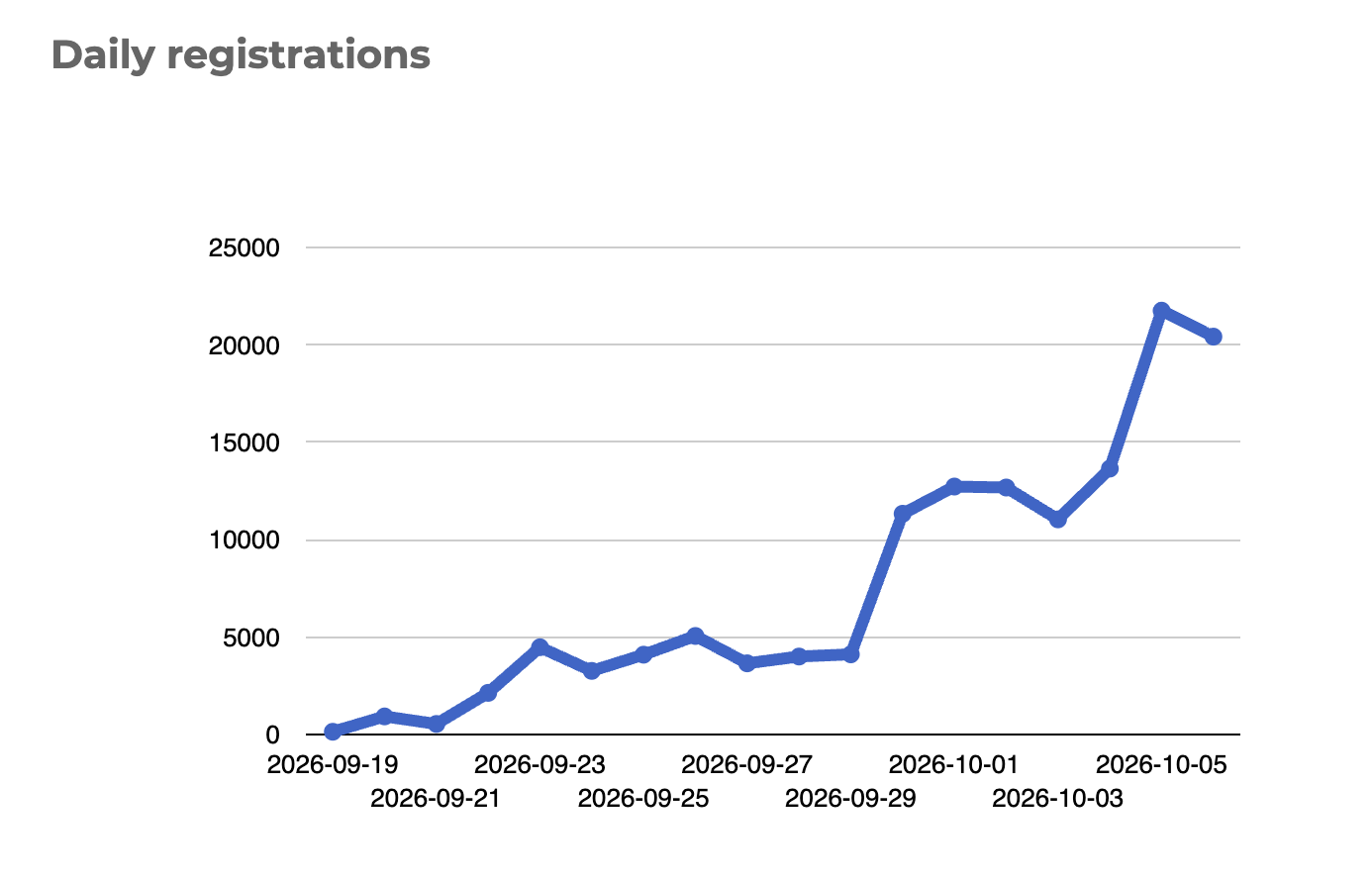
The linguistic alignment between the phrase "superintelligence" and the letters "SI" quickly resonated across the tech industry. As a result, daily and monthly registrations for .si domains have climbed significantly, according to data from Register.si, the official registry managing the extension. For entrepreneurs and developers seeking a sharp, memorable web address that hints at advanced technological capabilities, the domain offers a compelling branding opportunity without the prohibitive price tag associated with more traditional AI-centric domains.
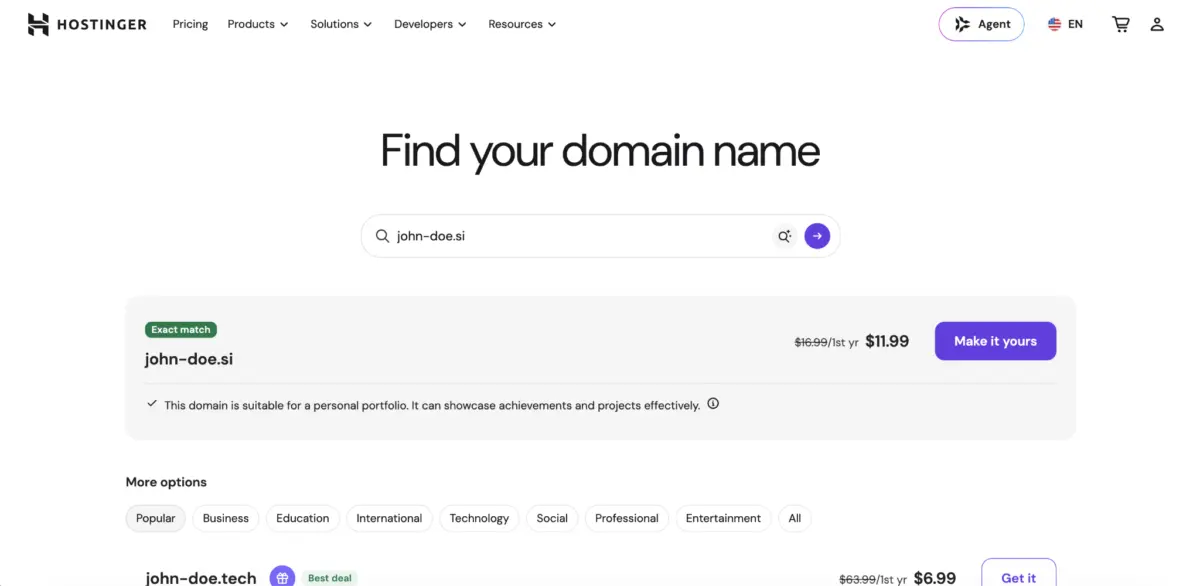
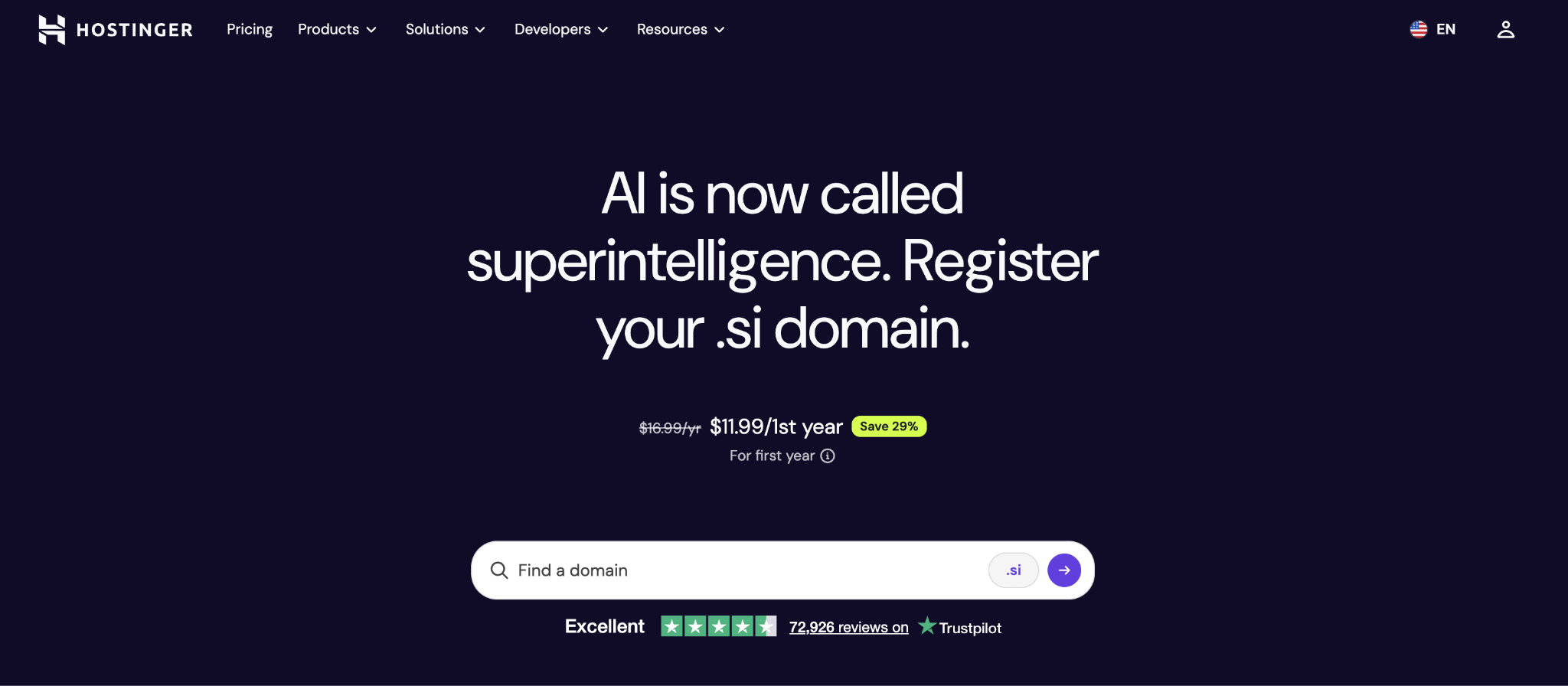
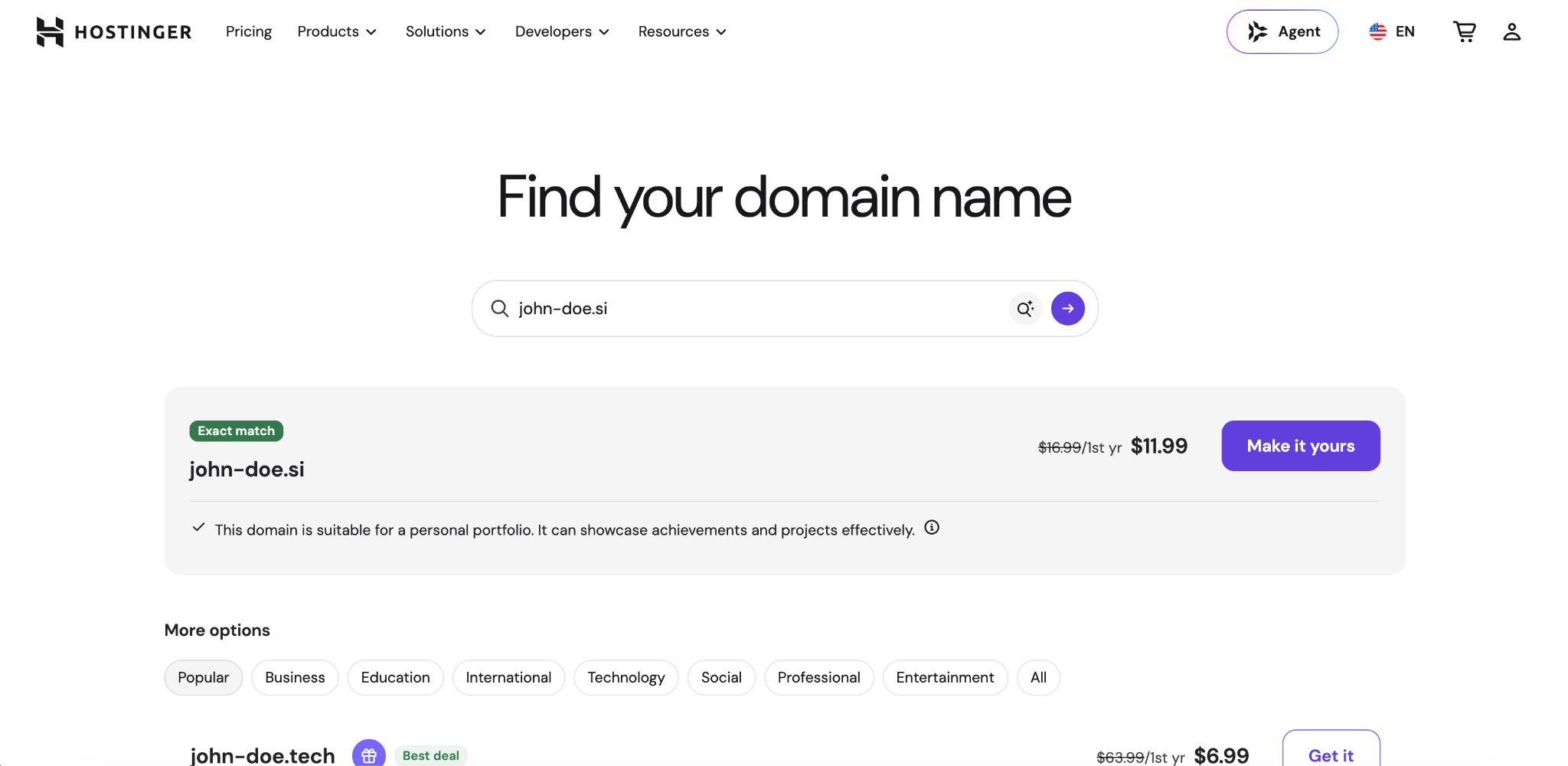
For cash-strapped startups navigating the early stages of development, economics play a major role in domain selection. Industry-standard extensions favored by artificial intelligence companies often come with steep price tags and mandatory multi-year commitments. For instance, registering a typical .ai domain can easily run nearly $90 for the first year, with renewal rates exceeding $100 annually. In contrast, a .si domain presents a significantly more economical entry point, typically costing around $12 for the first year and under $17 annually for renewals through major accredited registrars like Hostinger.
Despite the financial advantages, acquiring a .si domain requires careful navigation of naming conventions, availability checks, and legal considerations. Industry experts emphasize that choosing a domain name involves far more than simply verifying that a combination of letters is currently free. Brands must evaluate how easily a name can be pronounced, spelled, and remembered by word of mouth, ensuring that potential visitors do not accidentally misspell the URL or insert unwanted hyphens.
Furthermore, because .si can be interpreted both as a traditional geographic identifier for Slovenia and as an abbreviation for superintelligence, project leaders must ensure that their overall branding provides enough context to prevent audience confusion. Beyond market perception, prospective buyers must also exercise caution regarding intellectual property laws. An available domain name does not automatically grant immunity from trademark infringement claims. Register.si maintains a formal dispute process for domain registrations deemed to have been executed in bad faith, meaning that holders of existing trademarks can legally challenge and potentially strip ownership from registrants who infringe upon established rights. Checking databases such as the Slovenian Intellectual Property Office (SIPO) and the World Intellectual Property Organization’s (WIPO) Global Brand Database has therefore become a critical prerequisite for developers before securing their digital footprint.
Once a suitable name is selected and availability is confirmed through a domain search tool, the registration process moves to an accredited registrar. Because not all registrars support the .si extension, buyers must verify compatibility and carefully evaluate both introductory rates and long-term renewal fees. Completing the registration requires submitting accurate contact details for the designated domain holder, alongside an independent email address that does not rely on the newly acquired domain itself to ensure seamless communication during the setup phase.
Registries also enforce strict verification protocols to maintain the integrity of their namespaces. Registrants may occasionally be asked to provide proof of identity or valid address documentation to satisfy compliance checks. Failure to respond to these verification requests by established deadlines can result in the temporary suspension or deactivation of the domain. Additionally, under current administrative guidelines for the .si extension, modifying the holder’s name or registered email address constitutes a formal ownership transfer, which requires explicit electronic confirmation from the incoming holder within a seven-day window.
Protecting digital assets after acquisition remains an ongoing operational priority. Enabling automated renewal features through a registrar prevents accidental expiration lapses, which can trigger costly redemption periods or cause the domain to return to the public pool. At the same time, domain owners must contend with specific transparency rules governed by the .si registry. Unlike certain generic top-level domains that permit complete anonymity through privacy protection services, the .si registry dictates which ownership details remain publicly accessible via WHOIS and RDAP lookup tools. Depending on whether a domain is registered by an individual or an organization, varying levels of contact information are exposed to the public, underscoring the importance for individual creators to use professional yet comfortable contact parameters.
Once the bureaucratic and administrative hurdles of registration and verification are cleared, the technical integration phase begins. Connecting a .si domain to a web hosting environment involves configuring appropriate DNS records, nameservers, and mail exchangers. The .si registry performs automated pre-delegation tests on designated nameservers to ensure technical compliance before officially mapping a domain into its zone files. Once these technical parameters are successfully synchronized—a process that can take up to 48 hours for global propagation—website owners can move forward with deploying security protocols like HTTPS and establishing corporate communication channels.
As the tech ecosystem continues to evolve under the influence of rapid advancements in computational intelligence and shifting nomenclature, the role of alternative country-code domains like .si is shifting from localized novelty to mainstream viability. For many projects operating at the intersection of innovation and tight budgets, Slovenia’s national extension offers a practical, cost-effective pathway to establishing a distinct digital identity on the global stage.
Leave a Reply