
The global domain landscape is experiencing an unexpected market shift as technology projects and artificial intelligence initiatives increasingly look beyond traditional web extensions. While the .si extension has long served as Slovenia’s official country-code top-level domain (ccTLD), it is rapidly gaining international traction as a budget-friendly alternative for projects aligned with the booming sector of artificial intelligence and advanced computing.
This surge in popularity comes on the heels of a recent policy shift in the United States. Following a federal directive instructing agencies to favor the terminology "Super Intelligence" over "AI," digital real estate associated with the letters "SI" has experienced a notable spike in registrations. Industry observers note that this linguistic pivot has created a branding goldrush, driving developers and tech startups to snap up .si web addresses as a clever, cost-effective nod to future computing paradigms.
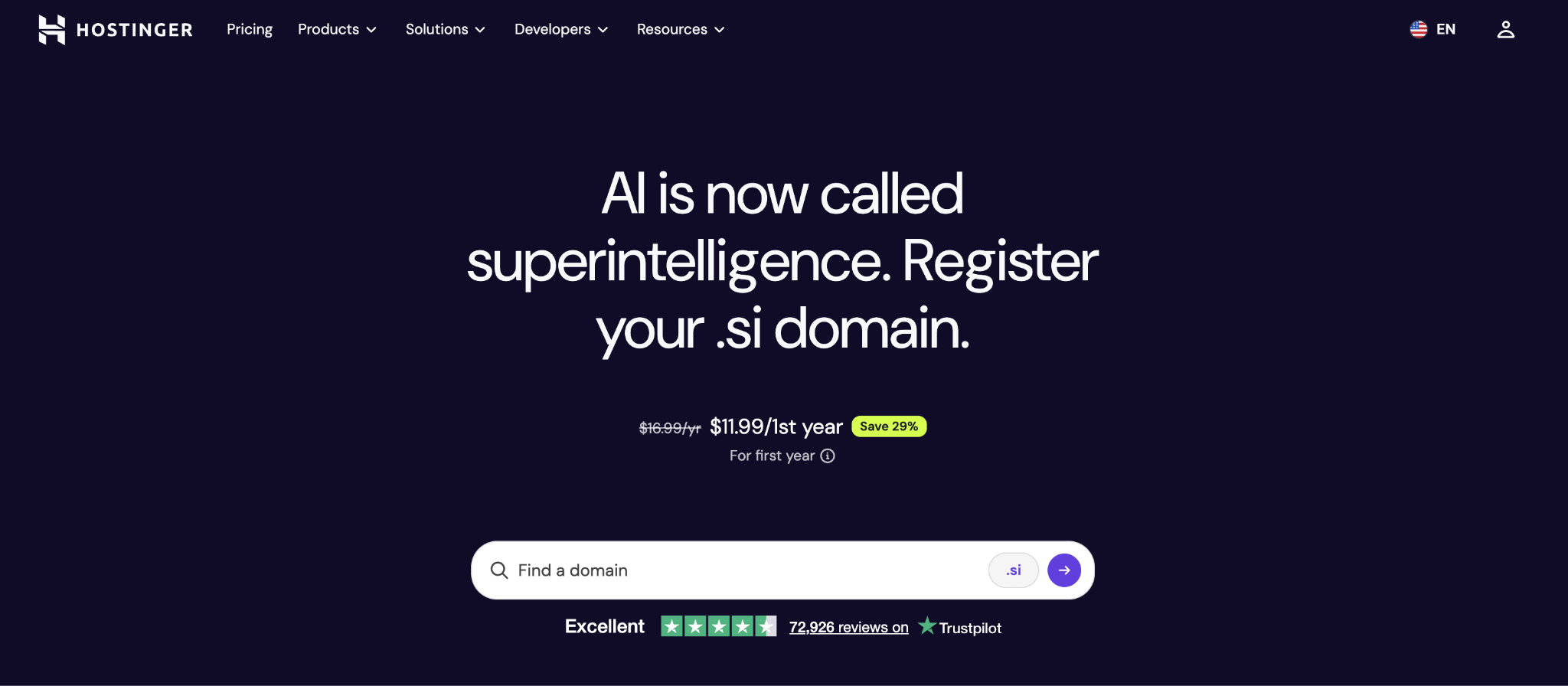
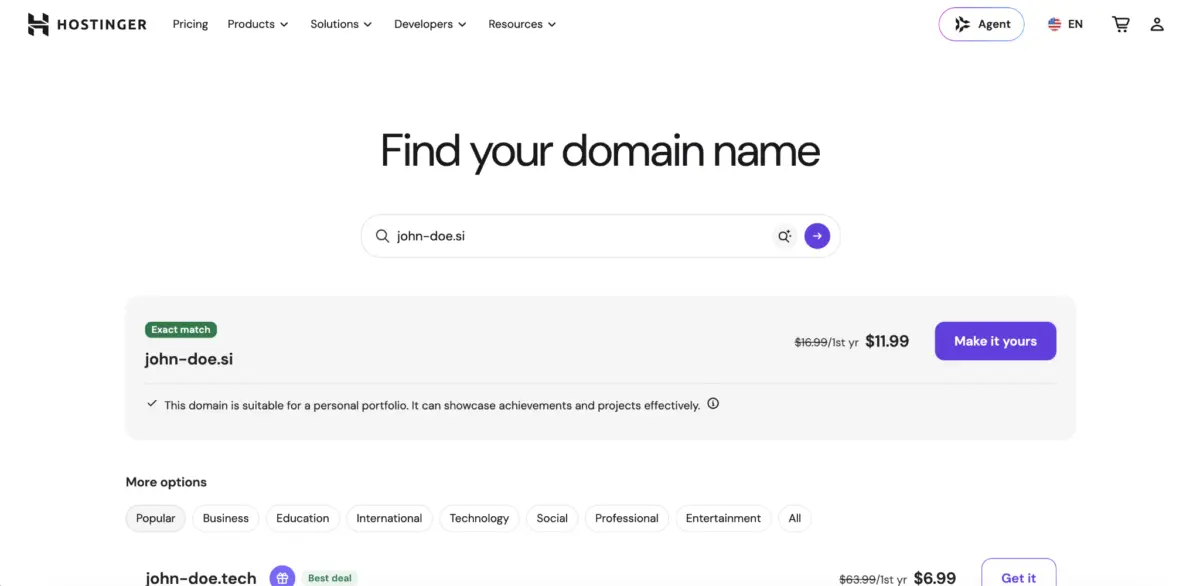
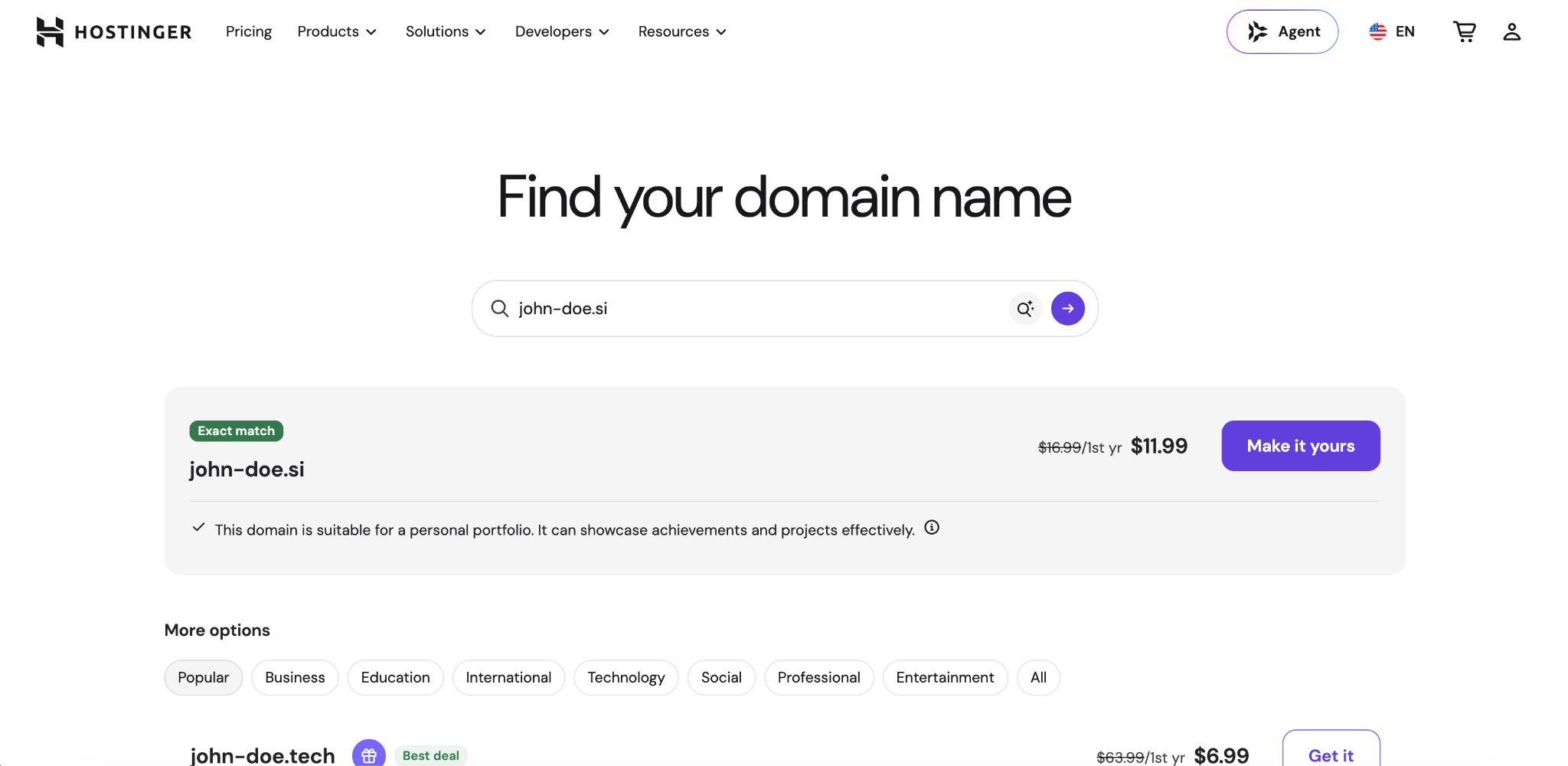
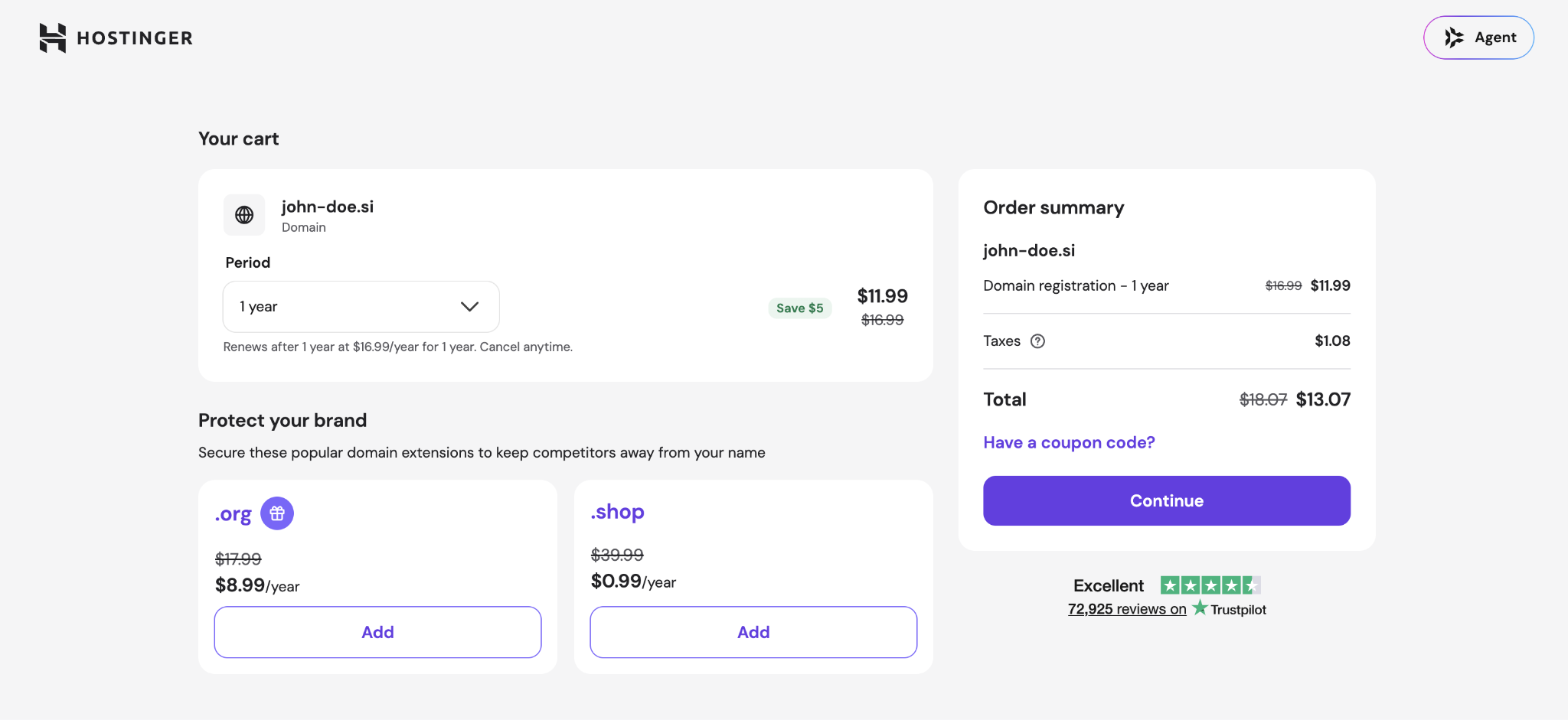
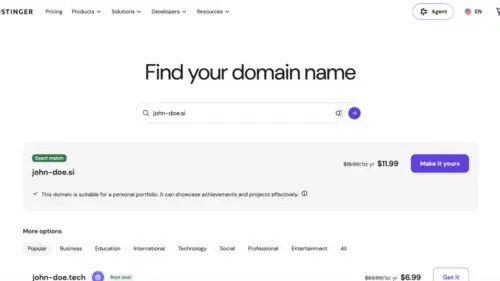
Traditionally, companies operating in the artificial intelligence space have heavily favored the .ai extension, recognizing its immediate consumer association with artificial intelligence. However, that branding comes with a steep financial barrier. While .ai domains routinely command premium pricing—often starting at nearly $90 for the initial year and exceeding $100 annually for renewals—the .si extension offers a starkly different economic reality. Registering a .si domain typically costs around $11.99 for the first year, with standard annual renewals hovering near $16.99. For early-stage startups and independent developers operating on tight budgets, this dramatic cost differential makes the Slovenian ccTLD an increasingly attractive proposition.
Despite its growing appeal to the global tech community, acquiring and maintaining a .si domain involves specific regulatory considerations that set it apart from generic top-level domains like .com or .net. Experts emphasize that prospective buyers must approach the branding process with careful research, beginning with the selection of a name that is concise, memorable, and easy to communicate by word of mouth. Because the domain extension can be interpreted either as a geographic identifier tied to Slovenia or as an abbreviation for superintelligence, brand architects are advised to choose names that clearly convey their project’s core mission to avoid confusing visitors.
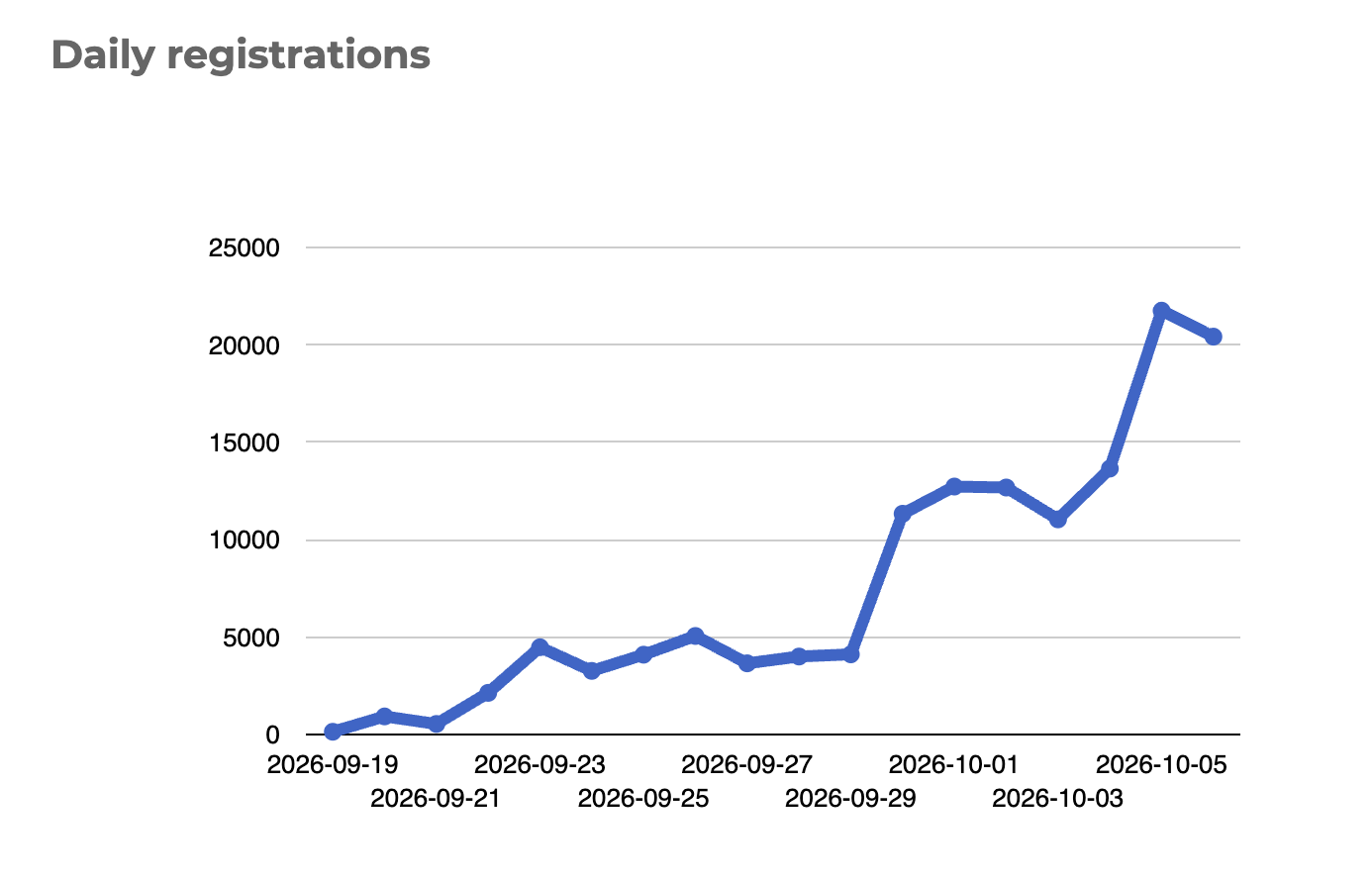
Furthermore, securing a domain name does not automatically grant immunity from trademark conflicts. Registrations for .si domains are managed under the oversight of Register.si, the official registry body, which enforces strict dispute resolution policies. If a third party can prove that a domain was registered in bad faith or infringes upon pre-existing commercial rights, the current holder risks losing the web address entirely. Consequently, thorough due diligence—including checks against national intellectual property databases such as the Slovenian Intellectual Property Office (SIPO) and global repositories like the World Intellectual Property Organization (WIPO)—remains a crucial step for brand protection.
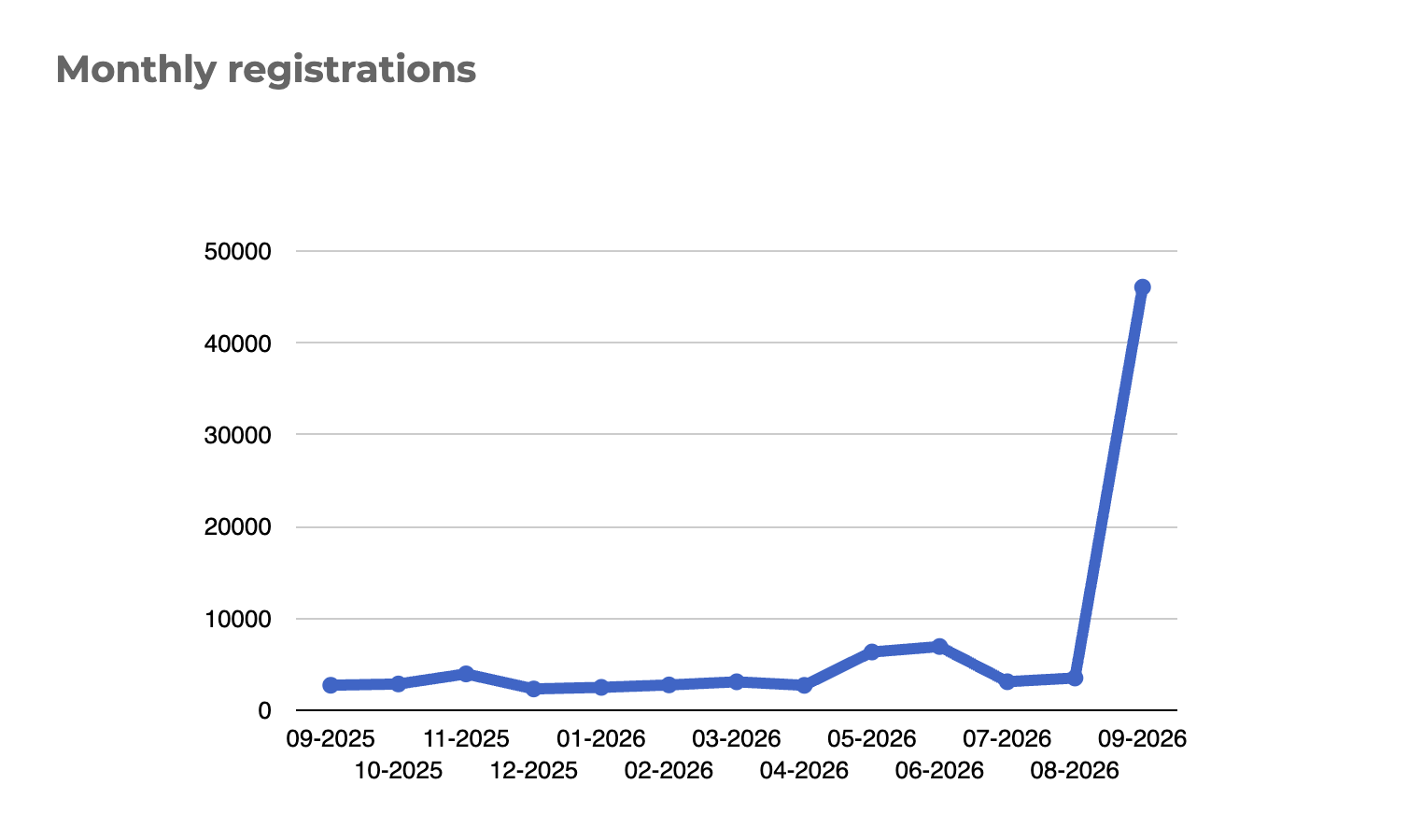
The registration process itself relies on accredited domain registrars that support the ccTLD. Because availability is determined strictly on a first-come, first-served basis, rapid fluctuations in daily registration volumes mean that an available web address can easily be snapped up before a transaction is completed. Once a registrar is chosen, applicants must submit accurate administrative details designating the official domain holder. Registries often mandate contact verification via email or telephone, and failure to respond to identity or address confirmation requests can lead to the temporary suspension or deactivation of the domain.
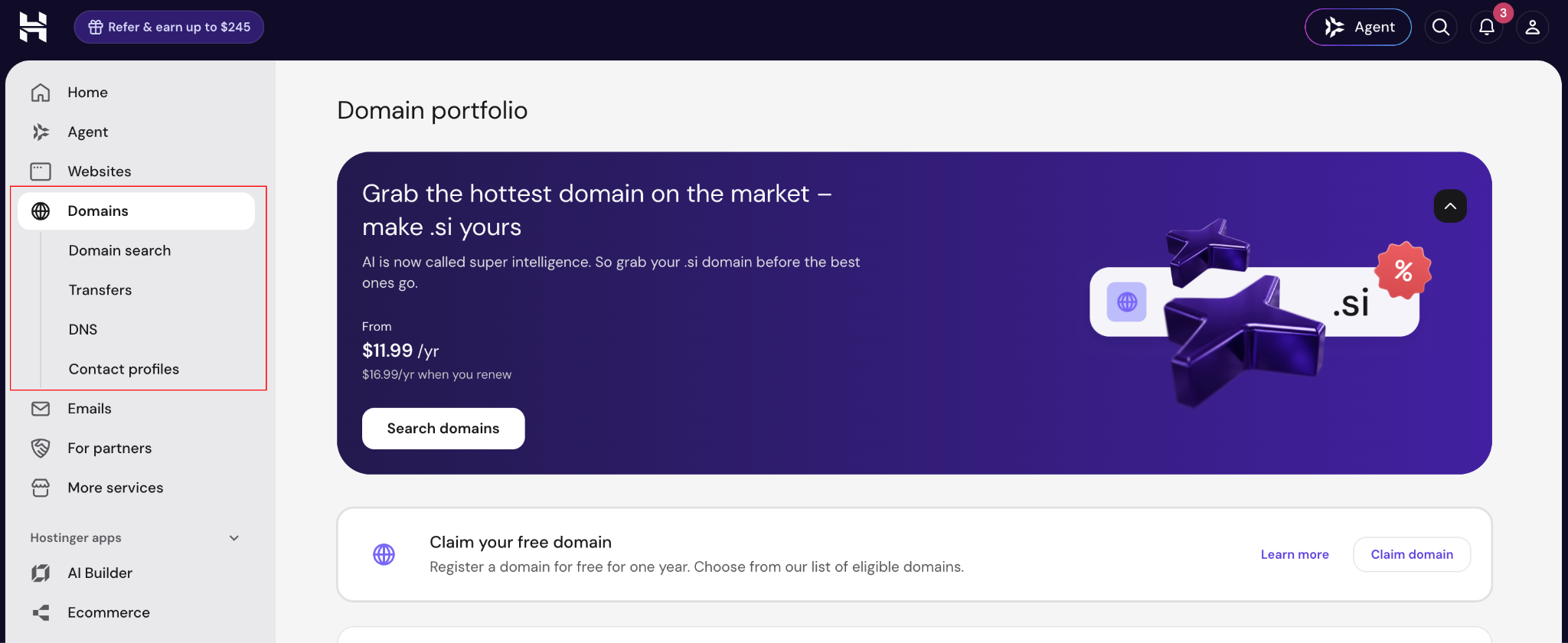
Another vital element of managing a .si domain involves understanding public disclosure rules. Unlike many generic extensions that permit complete anonymity through privacy protection services, the .si registry maintains specific mandates regarding transparency. Depending on whether the domain is registered to an individual or a legal entity, certain contact details will remain publicly accessible via WHOIS and RDAP lookup tools. Individuals navigating this process are encouraged to use secure, reliable contact emails that they are comfortable sharing with the public domain, as inaccurate or outdated registry data can result in severe administrative penalties, including domain deletion.
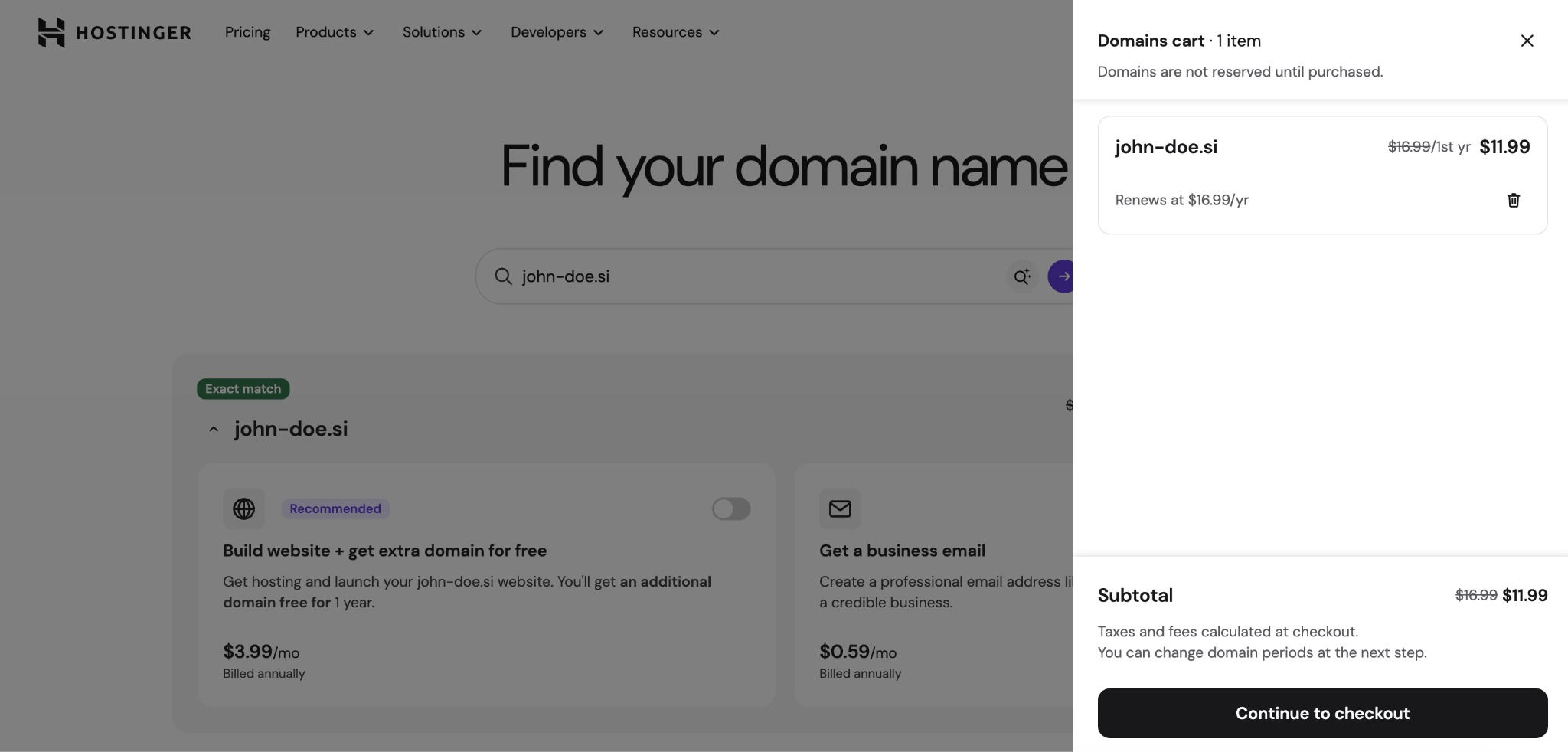
Post-registration technical management requires careful attention to server configurations and DNS infrastructure. Once a .si domain is secured, webmasters must link it to their hosting environment by pointing it toward the appropriate servers or configuring designated nameservers. The official registry enforces rigorous pre-delegation tests before adding any domain to its master DNS zone, requiring primary and secondary servers, valid Start of Authority records, and proper mail exchange configurations to ensure seamless connectivity.
As interest in advanced computing concepts continues to evolve across international markets, the role of alternative country-code domains highlights the dynamic nature of digital branding. Whether utilized by local enterprises within Slovenia or innovative tech projects branding around the concept of superintelligence, the .si extension demonstrates how localized internet infrastructure can unexpectedly find itself at the center of a global technology movement.
Leave a Reply