
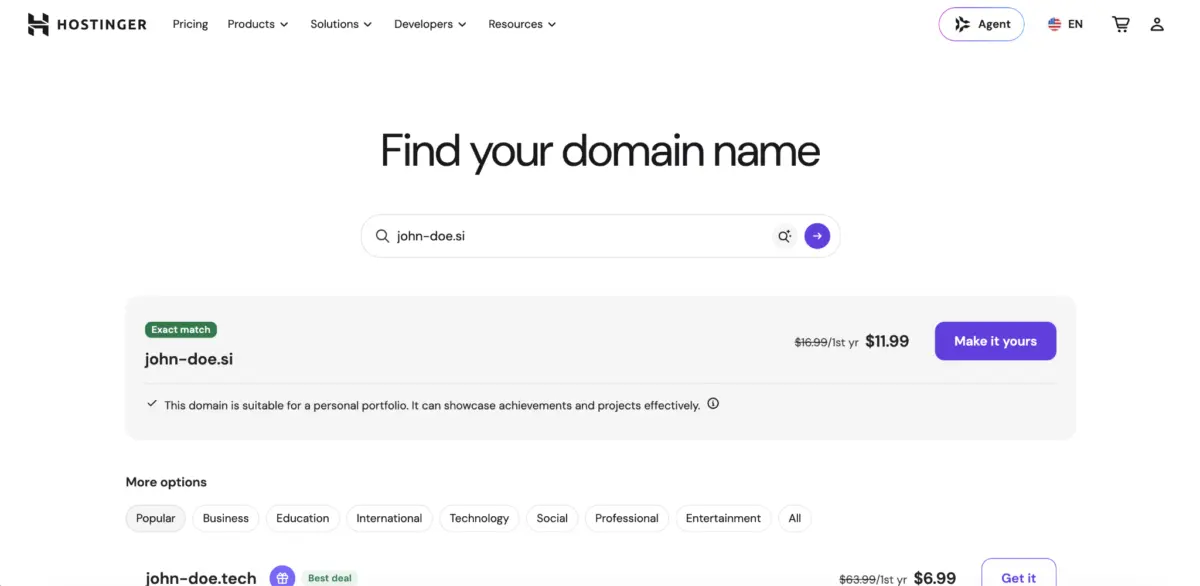
The landscape of domain name registration is experiencing a notable shift, driven largely by developments in the artificial intelligence sector. While the .ai extension has long been the preferred choice for AI-focused startups and enterprises, rising costs and surging demand have driven developers to look elsewhere. Increasingly, builders are turning to the .si domain extension—traditionally the country-code top-level domain for Slovenia—as a cost-effective and strategic alternative, following a recent linguistic convergence with the term "superintelligence."
Originally established as Slovenia’s national internet identifier, the .si extension has evolved to attract international attention far beyond Central Europe. This global interest stems from the abbreviation "SI," which has increasingly become synonymous with superintelligence in technical and policy discussions. The trend gained additional momentum following a late-September policy directive from the United States government instructing federal agencies to adopt the terminology of "Super Intelligence" rather than "AI" in official contexts.
This semantic overlap has created a lucrative branding opportunity for artificial intelligence initiatives worldwide. Crucially, the .si domain offers a stark financial advantage over its heavily saturated counterpart. While premium .ai extensions often command high initial registration fees exceeding eighty dollars alongside steep annual renewals, .si domains present a significantly more accessible entry point for early-stage developers and tech projects operating on tighter budgets.
However, acquiring and establishing a .si domain involves navigating a specific set of regulatory frameworks, technical requirements, and administrative protocols established by official registries. Registering a domain of this nature requires careful attention to naming conventions, trademark checks, and verification procedures to ensure long-term stability and brand protection.
Choosing the right name remains the foundational step in securing any web address. Prospective buyers are advised to select concise, memorable, and easily pronounceable names that clearly communicate their project’s core mission, particularly given the dual interpretation of the "SI" suffix as both a geographical identifier and an acronym for superintelligence. Domain names must also adhere to standard technical specifications, avoiding prohibited characters while complying with length limitations.
Beyond mere availability, experts emphasize the necessity of rigorous trademark screening before finalizing a brand identity around a .si address. The official registry managing .si domains, known as Register.si, enforces strict dispute resolution policies designed to address registrations that infringe upon pre-existing intellectual property rights. Domain holders found to have registered a name in bad faith risk losing their digital assets, meaning a clear search through regional bodies such as the Slovenian Intellectual Property Office database, alongside international tools like the WIPO Global Brand Database, is a critical preliminary measure.

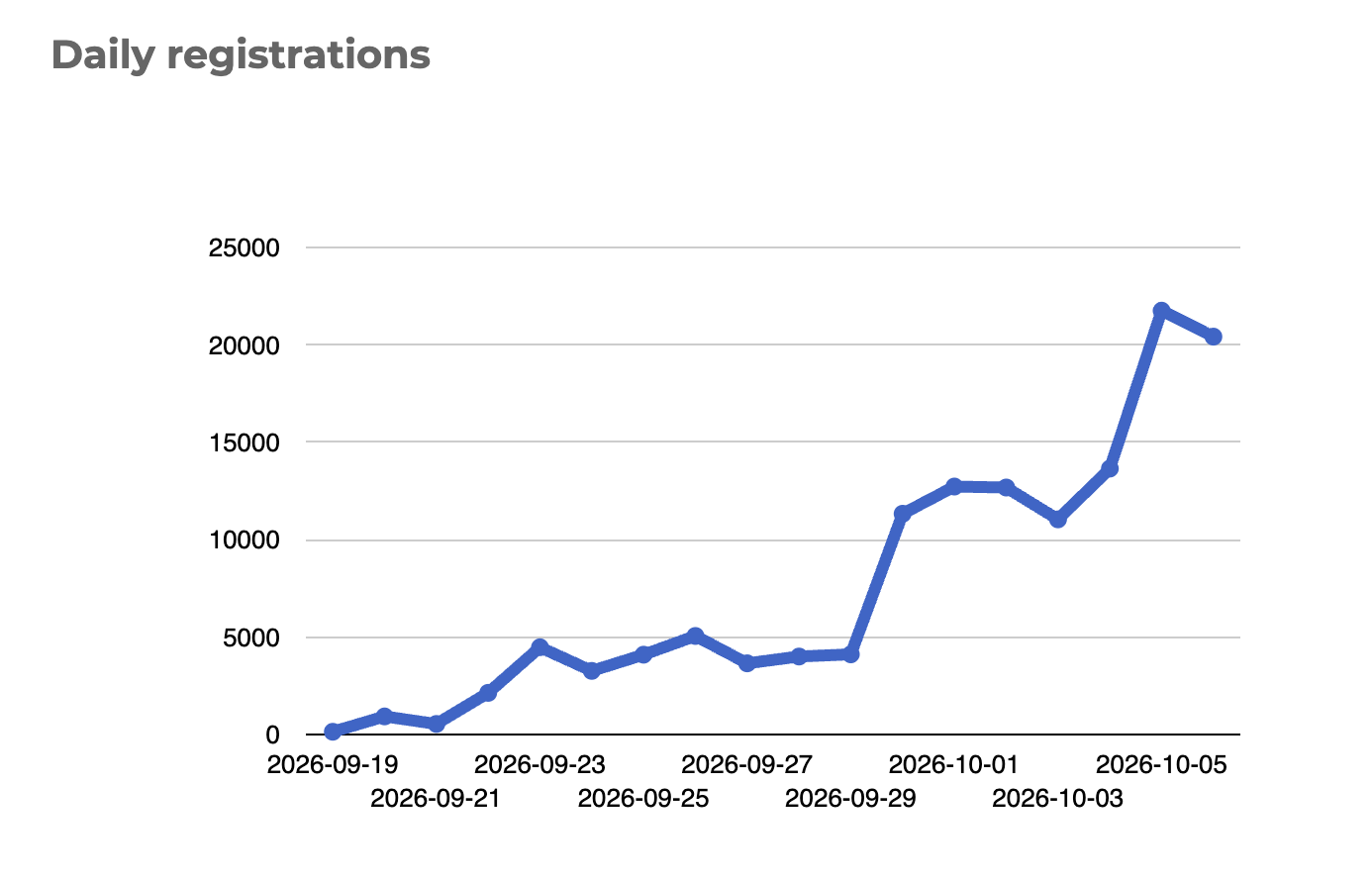
The registration market itself operates on a strict first-come, first-served basis. With daily registration volumes fluctuating in response to shifting industry terminology and policy announcements, available names can be claimed rapidly. Consequently, real-time availability checks through accredited registrars are essential immediately prior to purchase. When a preferred name is already occupied, developers typically explore minor phrasing modifications, alternative word orders, or direct negotiations with current holders, though secondary market acquisitions frequently involve significantly higher acquisition costs set independently by the seller.
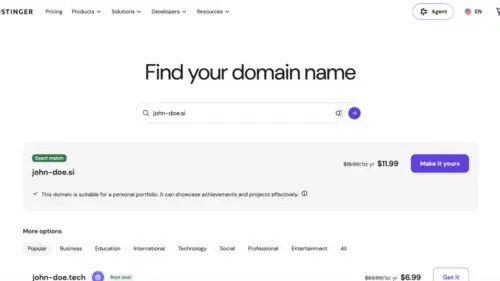
Securing a .si domain requires partnering with an accredited registrar that supports the extension. Evaluating potential registrars involves looking beyond promotional first-year pricing to examine long-term renewal rates, administrative interface usability, customer support quality, and bundled technical tools such as unified DNS management and email hosting services.
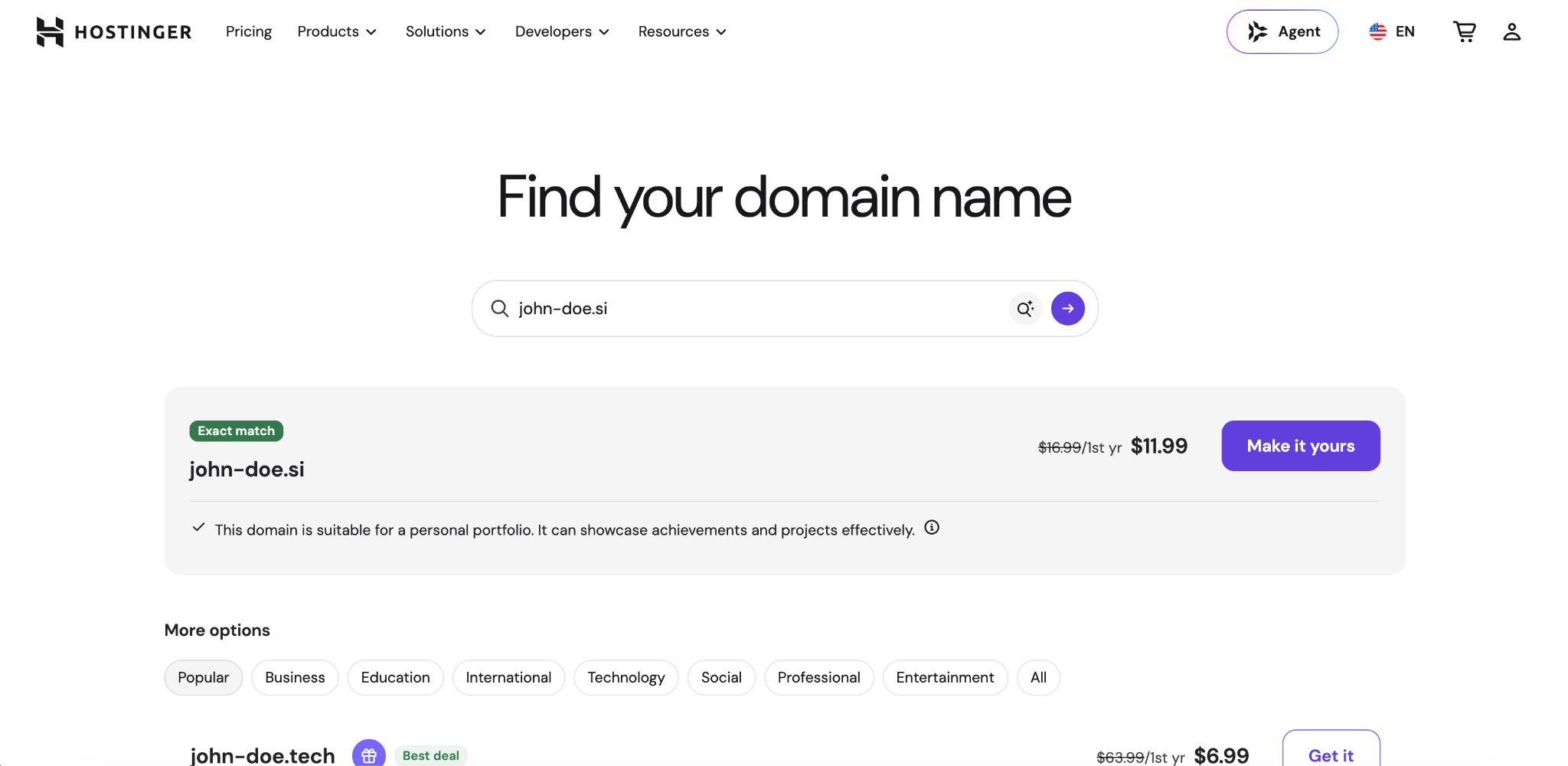
Once a registrar is selected, the administrative phase requires submitting accurate domain holder details. The designated domain holder—representing the individual or corporate entity legally responsible for the address—must provide verifiable contact information. Industry best practices strongly discourage using an email address hosted on the newly registered domain itself during the setup phase, as communication channels remain inactive until DNS routing and mail servers are fully configured.
Following successful payment and submission, registries frequently mandate contact verification to ensure data integrity. In certain instances, registries may request official documentation confirming the identity or physical address of the domain holder. Failure to provide requested verification documents within specified deadlines can lead to the temporary suspension of the domain. Furthermore, under current governance rules for the .si extension, any subsequent modifications to the holder’s name or primary contact email are treated as formal ownership changes, requiring explicit digital confirmation from the incoming holder within a strict seven-day window to maintain operational status.
Maintaining a domain also necessitates robust administrative oversight, particularly regarding automated renewal protocols and public transparency rules. Unlike numerous generic top-level domains that permit comprehensive WHOIS privacy shielding, the .si registry operates under specific mandates dictating which registration details remain publicly accessible through lookup services. Depending on whether the registrant is structured as an individual or a registered organization, varying levels of contact information are exposed to public view, making the use of appropriate, secure contact channels vital for individual creators.
Following successful registration and verification, technical implementation requires connecting the domain to appropriate web hosting infrastructure, configuring secure HTTPS encryption, and establishing necessary DNS records. Because the .si registry subjects nameservers to pre-delegation testing before integration into the primary DNS zone, meticulous configuration of primary and secondary servers, along with accurate Start of Authority and mail exchange records, is required to prevent connectivity delays. As global DNS propagation can require up to 48 hours to complete fully across the internet, newly established web properties typically experience a brief transition period before achieving complete accessibility worldwide.


Leave a Reply