
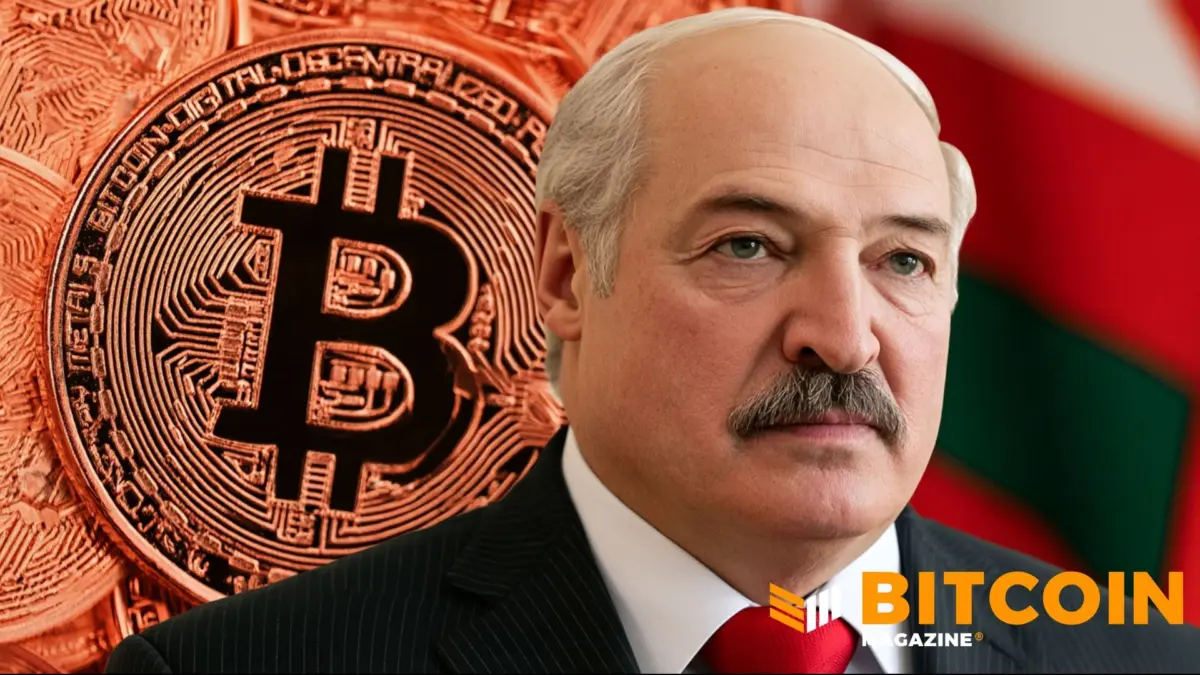
Belarus has officially ushered in a new era for its financial sector by welcoming its first operational crypto banks, marking a major milestone following the establishment of a dedicated legal framework earlier this year. According to recent reports, the newly approved institutions will commence their operations immediately following official accreditation from the National Bank of Belarus, bridging the gap between legacy financial systems and the rapidly evolving digital asset industry.
While the specific names of these pioneering crypto banks have not yet been publicly disclosed, the announcement highlights a significant step forward in the nation’s long-standing strategy to integrate blockchain technology and digital tokens into its broader economy. The formal establishment of these entities follows a progressive series of regulatory milestones championed by the Belarusian government, positioning the Eastern European nation as a unique jurisdiction for cryptocurrency development within the region.
The foundation for this development was formally laid in January when Belarusian President Alexander Lukashenko signed Decree No. 19, officially titled “On Cryptobanks and Certain Issues of Control in the Field of Digital Tokens.” This landmark decree created a comprehensive and official legal framework specifically tailored for bitcoin and crypto banks operating within the country, establishing clear rules of engagement for institutions seeking to handle digital assets.
Following months of regulatory preparation and administrative alignment, the practical results of these policies have materialized. The press service of the High-Tech Park—a specialized tax and legal regime in Belarus where digital asset transactions are officially permitted—announced the historic launch in a formal statement.
“The practical outcome of today’s discussion is the launch and registration of the first crypto banks in the country’s history,” the High-Tech Park press service stated, emphasizing the cooperative nature of the regulatory approach. Under the newly established guidelines, these crypto banks will operate under the dual regulatory oversight of the High-Tech Park administration and the National Bank of Belarus, ensuring strict compliance with financial standards while maintaining an environment conducive to innovation.
Industry observers and government officials alike have pointed to the potential economic benefits of integrating crypto banking services into the traditional financial landscape. Dmitry Kalechits, first deputy director of the High-Tech Park supervisory board secretariat, noted that the arrival of these institutions will substantially improve the overall flow of the financial ecosystem. Furthermore, officials anticipate that the regulatory clarity and institutional backing will serve as a powerful magnet for driving foreign investment into Belarus.
The push for a progressive digital asset environment is not a sudden pivot for the Belarusian government, which has cultivated a pro-crypto stance for nearly a decade. The country’s foundational steps began back in 2017 when a landmark presidential decree legalized cryptocurrency mining and trading. Crucially, that initial decree temporarily exempted individuals’ cryptocurrency income from both taxation and mandatory declaration, fostering an active domestic community of miners, traders, and blockchain enthusiasts.
Over the years, this favorable tax policy has evolved. The original tax exemption was extended through 2025 and has since been narrowed to reflect a more mature regulatory market, with income derived from foreign cryptocurrency platforms currently subjected to a standardized 13% tax rate. Despite these adjustments, the government’s foundational commitment to fostering the sector has remained steadfast.
President Lukashenko has personally been one of the most vocal proponents of utilizing the country’s infrastructure for blockchain-related activities, frequently promoting Bitcoin mining as a practical and efficient use for national surplus electricity. His vocal support has translated directly into state-backed initiatives, such as the strategic preparations that began in the Mogilev region to construct specialized sites designed to host large-scale cryptocurrency mining farms.
With the approval and impending operational launch of the country’s first crypto banks, Belarus is taking its legislative framework out of the theoretical realm and putting it into practice. By creating official avenues for digital asset custodianship, banking services, and traditional financial integration, the nation continues to carve out a distinct identity in the global cryptocurrency landscape, offering a fascinating case study in state-level crypto adoption and institutional integration.



Leave a Reply