
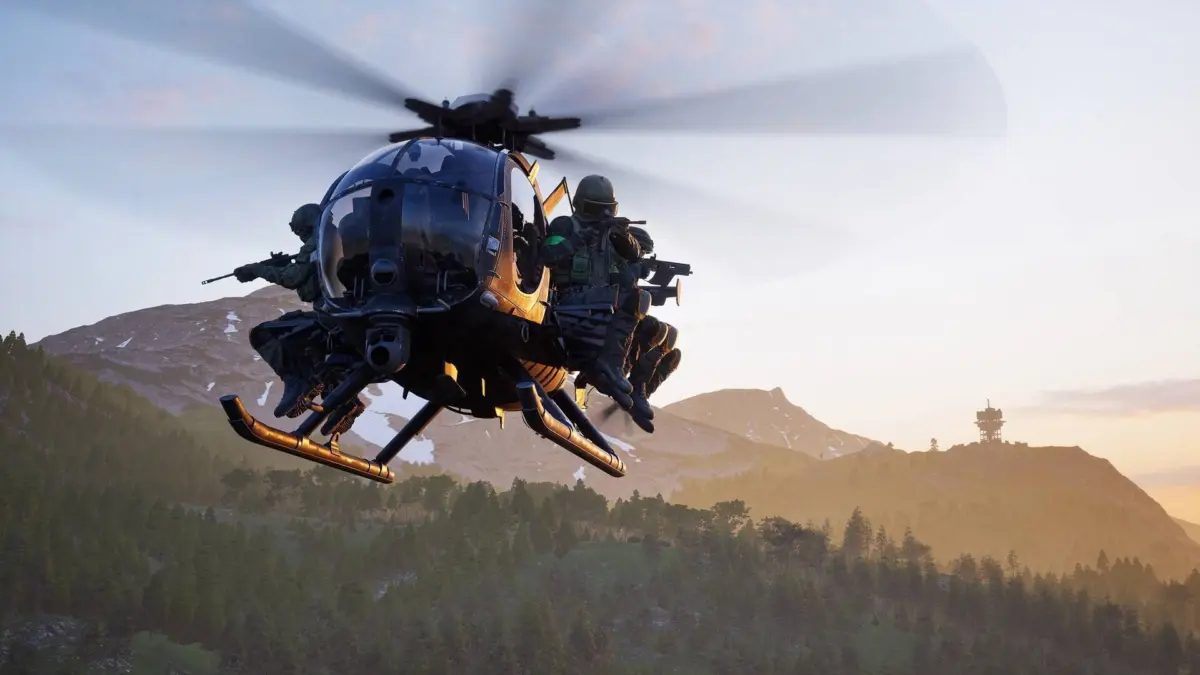
Video games in 2026 have delivered no shortage of high-stress moments, testing players’ nerves across a variety of genres and platforms. Players have found themselves frantically running away from a massive, imposing monster as Grace Ashcroft in Resident Evil Requiem, squaring off against Damien Webb in the dark, tense corridors of the sewers in 007 First Light, or desperately trying to maintain a grip on the final, crumbling handhold of a sheer cliff face in Cairn. Yet, according to players and critics alike, none of those cinematic ordeals come close to the sheer, white-knuckle terror and nerve-wracking responsibility of piloting a helicopter in Bulkhead and Team17’s tactical shooter, Wardogs.
At first glance, handling a helicopter in a video game might seem like a straightforward task, especially within the context of a first-person shooter where the primary objective of an aircraft is simply to transport a squad from a safe zone to the heart of the active battlefield. Experienced gamers have spent years flying choppers across wide-open maps in titles like Grand Theft Auto 5, navigating chaotic airspace in various entries of the Battlefield series, and executing gravity-defying stunts in the Just Cause franchise. However, Wardogs operates on an entirely different level of realism, physics, and consequence, transforming what is typically a routine transit mechanic into an intensely demanding discipline.
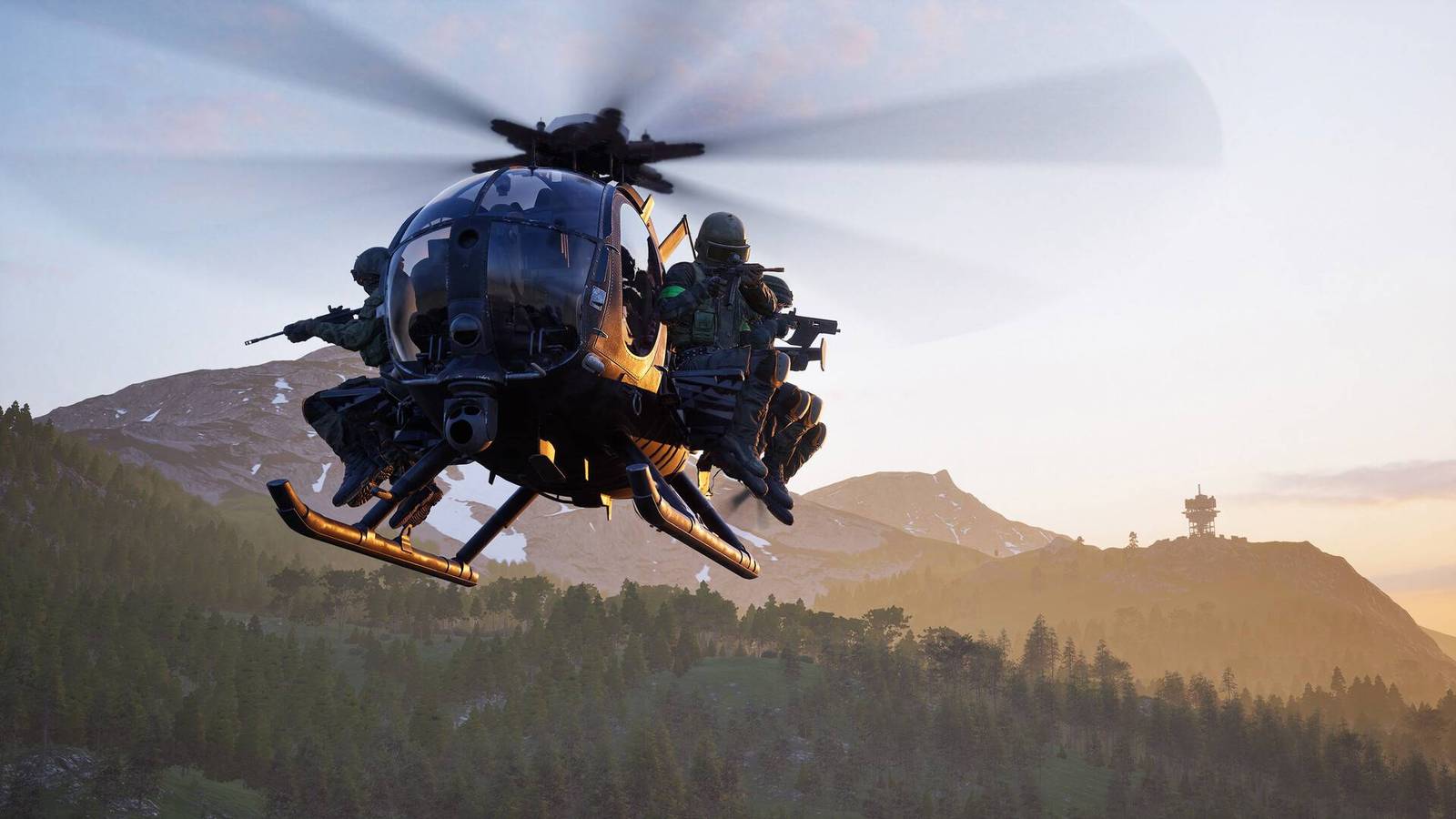
The secret behind the game’s uniquely challenging flight model lies in its meticulous development process. During an interview at Gamescom 2026, Kane Allard, a senior producer at Bulkhead, shed light on the philosophy guiding the game’s vehicle mechanics. Allard explained that a core pillar of Wardogs was ensuring that vehicles felt genuinely authentic, weighty, and grounded, rather than acting as mere arcade-style toys. To achieve this level of immersion, the development team enlisted the expertise of an actual aeronautical engineer to design the foundational flight physics for the game’s helicopters.
According to Allard, bringing in an outside professional was essential to giving the aircraft a distinct sense of weight and realism while keeping them engaging and fun to play. This design choice introduces a steep learning curve, establishing a distinct skill ceiling where dedicated players can genuinely study, practice, and master the art of becoming a better pilot.
This professional engineering pedigree explains why the aircraft can feel so finicky and unforgiving to newcomers. While spending considerable time practicing maneuvers in the game’s firing range can help a player build competence—enough to comfortably ferry allies toward active combat zones—the initial learning phase is widely regarded as an absolute trial by fire. While keeping the helicopter airborne in open airspace is manageable once the basic controls click, coming to a rapid, efficient, and safe stop while allowing a full squad of passengers to disembark cleanly proves to be the ultimate test of a pilot’s spatial awareness and precision.

The anxiety of flying in Wardogs stems from much more than just the mechanical complexity of the flight controls. The primary source of pressure is the crushing weight of consequence. If a pilot miscalculates a landing, clips a tree, or takes too much enemy fire and crashes, the financial and tactical repercussions are immediate and severe. A standard helicopter in the game carries a hefty price tag of $6,250, meaning a fiery crash instantly incinerates thousands of hard-earned in-game dollars.
Compounding the financial loss is the human cost. Crashing a chopper typically kills every single passenger on board—teammates who placed their absolute trust in the pilot to deliver them safely to the front lines. Unless a surviving teammate happens to be nearby to stage a rescue and pull off revives—a scenario that remains entirely unlikely unless the crash occurs directly inside a secured control zone—the specialized kits and loadouts equipped by every passenger are permanently lost to the squad. When factored together, a single pilot error can result in a collective loss scaling well into the tens of thousands of dollars, setting an entire team back significantly in resources and momentum.
The social fallout within a gaming squad can be just as punishing as the economic loss. After a catastrophic crash caused by pilot error, teammates are understandably hesitant to place their lives and gear in the hands of the same aviator again. A disgraced pilot is often forced to hang up their flight helmet and spend subsequent matches riding as a humble passenger on someone else’s chopper, nursing their pride with their tail between their legs.

While a select group of dedicated aviators treats the game’s flight mechanics as a high-stakes art form—showcasing precision maneuvers and seamless landings on platforms like Instagram—many regular players find the psychological toll to be far too high for casual play. For those who prefer to keep their heart rates at a normal baseline, the safer bet is to remain firmly on the ground, leaving the skies of Wardogs to the bravest and most skilled pilots in the community.


Leave a Reply