
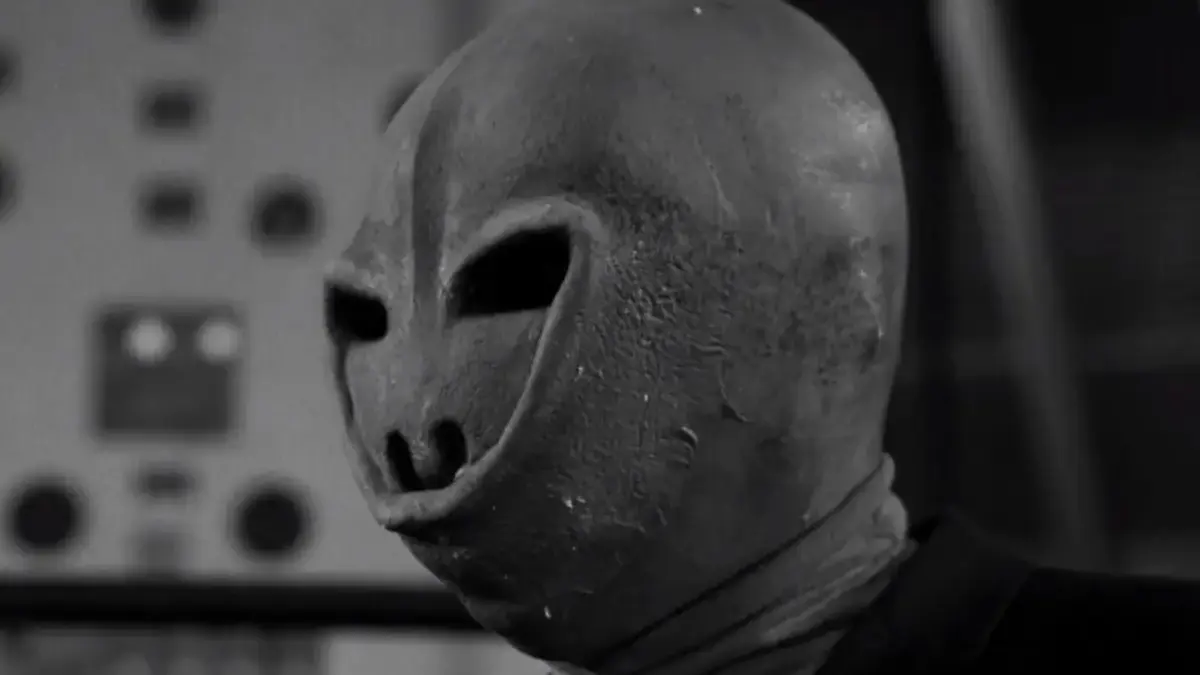
When modern audiences discuss the heavy hitters of science fiction, franchises like Star Wars and Star Trek almost immediately dominate the conversation. From a purely financial and commercial standpoint, this makes complete sense; both universes have commanded the global box office and television landscapes for decades, generating billions of dollars in merchandise, cinematic sequels, and expanded media empires. However, when examining the broader scope of cultural influence, narrative innovation, and genre-defining impact, another property stands shoulder-to-shoulder with the undisputed giants of space opera.
In the vast ecosystem of speculative fiction, almost all roads ultimately lead back to, or draw direct inspiration from, The Twilight Zone. For fans looking to revisit this monumental piece of television history—or newcomers hoping to discover why it remains a gold standard—the landmark anthology series is currently available to stream completely free on Tubi.
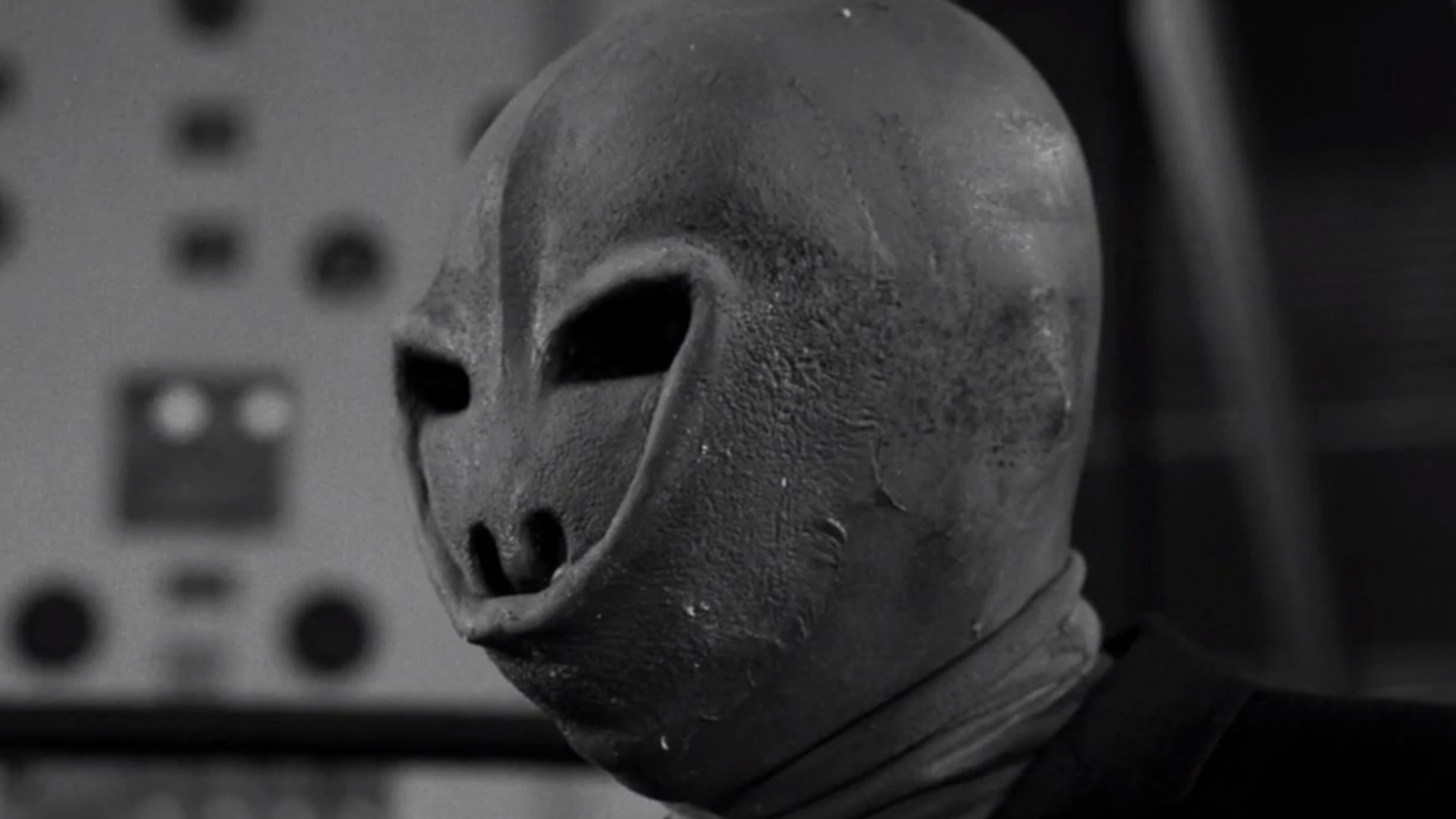
You Have Entered… The Twilight Zone
Debuting on CBS in 1959, The Twilight Zone carved out an unprecedented legacy during its initial five-season run, accumulating a total of 156 episodes. The series was the visionary creation of Rod Serling, a television pioneer who grew deeply frustrated with the creative limitations imposed on 1950s broadcasting. At the time, the television landscape was largely dominated by live taped plays and multi-camera domestic sitcoms such as I Love Lucy.
Seeking to shatter these boundaries, Serling conceptualized a single-camera anthology format where each standalone episode functioned essentially as a miniature cinematic feature. While the vast majority of its run utilized a tight, half-hour runtime, the fourth season experimented with an hour-long format before returning to the brisk half-hour structure for its fifth and final season.
Every installment of The Twilight Zone featured entirely self-contained characters, unique premises, and distinct moral frameworks. The show frequently investigated classic science fiction tropes, including time travel, alien encounters, and futuristic technology, while seamlessly blending them with traditional horror staples like restless ghosts and malevolent, possessed dolls. Yet, these uncanny elements served merely as a surface-level framing device. Beneath the speculative window dressing, the deeper subtext of the series tackled profound and often uncomfortable human truths, exploring themes such as systemic prejudice, crippling loneliness, existential morality, and haunting regret.

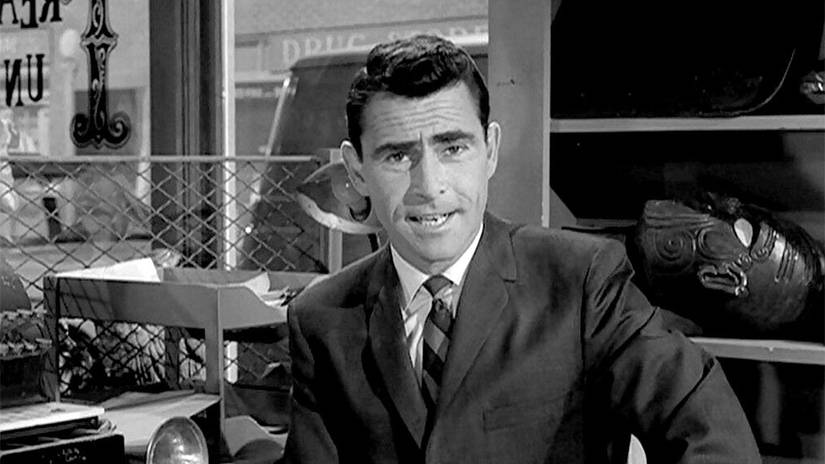
The artistic DNA of the show drew heavily from the earliest and most revered architects of speculative fiction, incorporating thematic elements reminiscent of the literary works of H.G. Wells and Mary Shelley. Furthermore, Serling enlisted some of the most celebrated sci-fi and fantasy writers of the 1950s to script individual episodes, including literary icons like Ray Bradbury and Richard Matheson. Despite the immense contributions of his guest writers, Serling himself remained the driving creative force behind the enterprise. He not only served as the iconic, on-screen host who welcomed viewers into each shadowy narrative, but he also personally authored nearly 100 episodes of the series.
A Monumental Legacy Across Television and Cinema
Despite drawing profound inspiration from early horror and science fiction literature, The Twilight Zone ultimately proved to be exponentially more influential on the generations of creators that followed. The most direct spiritual successors are obvious in contemporary anthology television, such as Charlie Brooker’s Black Mirror and the classic revival of The Outer Limits, both of which inherited the show’s DNA of using speculative fiction to deliver moral and social commentary.
However, the ripple effects extended far beyond strict anthologies. Acclaimed television series spanning multiple genres—including The X-Files, Fringe, Lost, and the animated satire Futurama—were demonstrably informed by Serling’s pioneering approach to storytelling.
This profound influence is equally visible in modern cinema. Acclaimed filmmaker Jordan Peele has publicly credited a first-season episode of The Twilight Zone titled "Mirror Image" as the direct inspiration for his 2019 psychological horror film Us. Similarly, creator Don Mancini has pointed to the chilling fifth-season episode "Living Doll" as the primary creative catalyst that inspired his iconic, knife-wielding killer doll, Chucky.
Decades after their initial broadcast, many of these classic episodes retain their original narrative power. Prominent entries like Ray Bradbury’s "Nightmare at 20,000 Feet"—the immensely famous and frequently parodied tale of a terrified airline passenger who spots a gremlin tearing apart the wing of a plane during a storm, starring a young William Shatner—continue to captivate audiences. Other standout masterpieces include "Dummy," a deeply unsettling psychological drama about a living ventriloquist dummy, and "To Serve Man," an iconic alien invasion narrative that remains universally celebrated for its legendary, chilling twist ending.
Not Everything About The Twilight Zone Holds Up
Because the series first premiered over six decades ago, certain technical aspects of production have inevitably aged. Modern viewers accustomed to high-budget cinematic CGI will undoubtedly find the practical special effects dated, as the production relied heavily on standard television budgets and mid-century studio techniques.
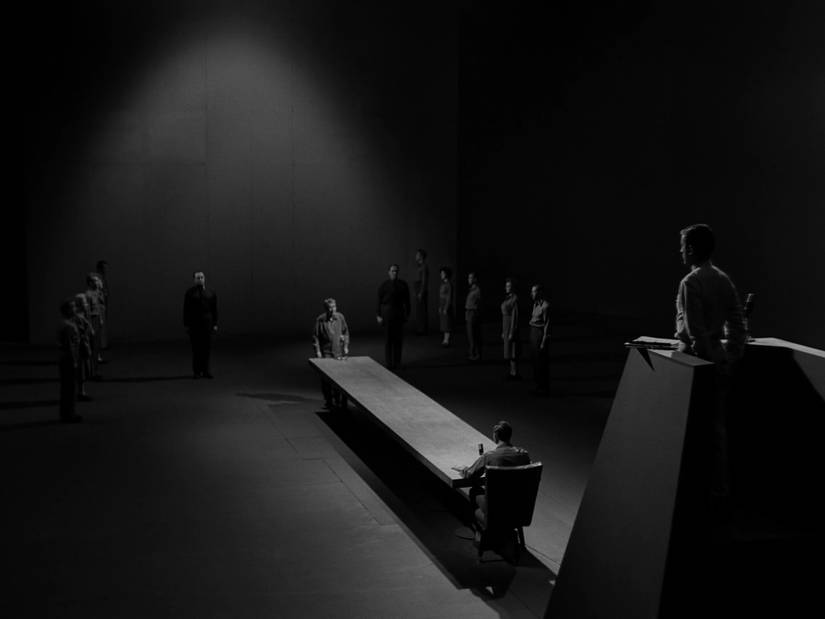
Nevertheless, because the core of the series relies on deep, universally resonant themes rather than fleeting visual spectacles, a vast number of episodes remain surprisingly relevant, poignant, and intellectually stimulating. Furthermore, the anthology structure offers a unique viewing advantage: audiences can freely bounce around, sampling guaranteed classics without needing to commit to a strict chronological order or worry about maintaining a complex, serialized continuity. This makes the show uniquely accessible for casual viewing, allowing fans to step in and out of the narrative universe at their leisure.
In an era dominated by continuous streaming narratives and expansive cinematic universes, The Twilight Zone stands as an ideal destination for viewers willing to embrace a bit of classic television history. While navigating the extensive catalog involves a degree of trial and error to find the exact tone that suits individual tastes, contemporary fans of science fiction and horror films will almost certainly find episodes that resonate. So much of what defines modern speculative entertainment traces its lineage directly back to Rod Serling’s timeless creation, making its current availability on Tubi a noteworthy opportunity for both longtime admirers and curious first-time viewers.



Leave a Reply