
Ever since science fiction first captured the public imagination with depictions of futuristic communication, audiences have dreamed of a day when long-distance calls would no longer be confined to flat, two-dimensional screens. For generations, stories like Star Wars promised a future where callers could project three-dimensional representations of themselves directly into another room. While early cinematic depictions often featured fuzzy, translucent blue projections that flickered and broke apart, contemporary technology is finally catching up to those childhood aspirations—and in many ways, surpassing them in fidelity.
At Meta Connect 2026, the technology giant unveiled its latest breakthrough in digital communication, introducing a radically advanced avatar system simply called "Holograms." Over the years, Meta has steadily iterated on its virtual avatar infrastructure, moving away from the cartoonish and often criticized designs of its early metaverse rollout toward progressively sophisticated iterations, such as the modern upgrades introduced in 2024. Now, the company is taking a massive leap forward by introducing hyper-realistic digital representations designed to revolutionize everyday communication, beginning with WhatsApp video calls and expanding across the broader hardware ecosystem.
The creation of these Holograms begins with a remarkably straightforward process handled entirely on a smartphone. During a hands-on demonstration, setting up a personal Hologram required an initial 60-second scanning procedure using a dedicated Meta application. The onboarding workflow prompted the user to turn their head slowly in several directions to capture facial geometry and structure, followed by answering a series of questions out loud to allow the system to analyze vocal cadence, micro-expressions, and natural mannerisms.
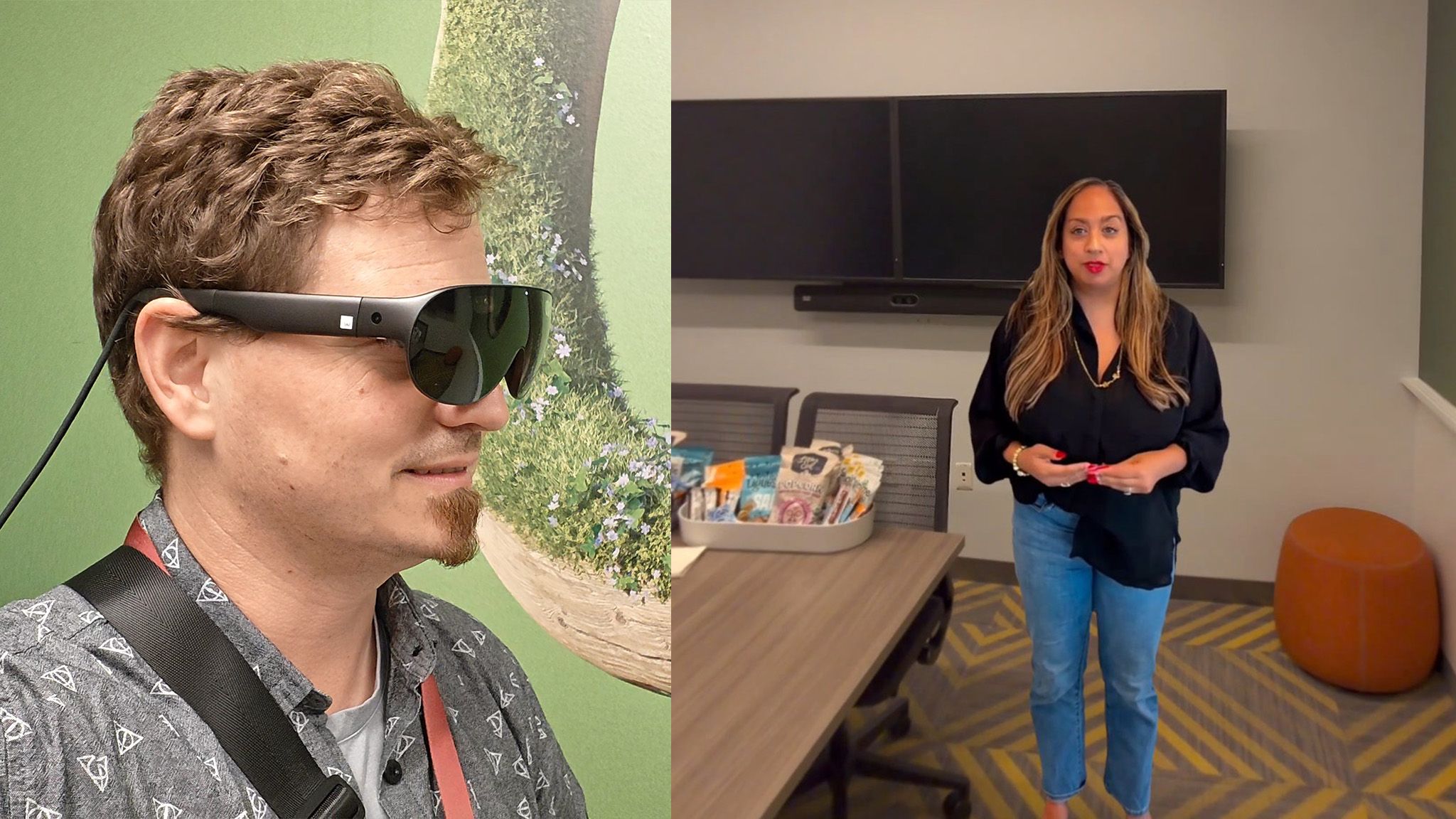
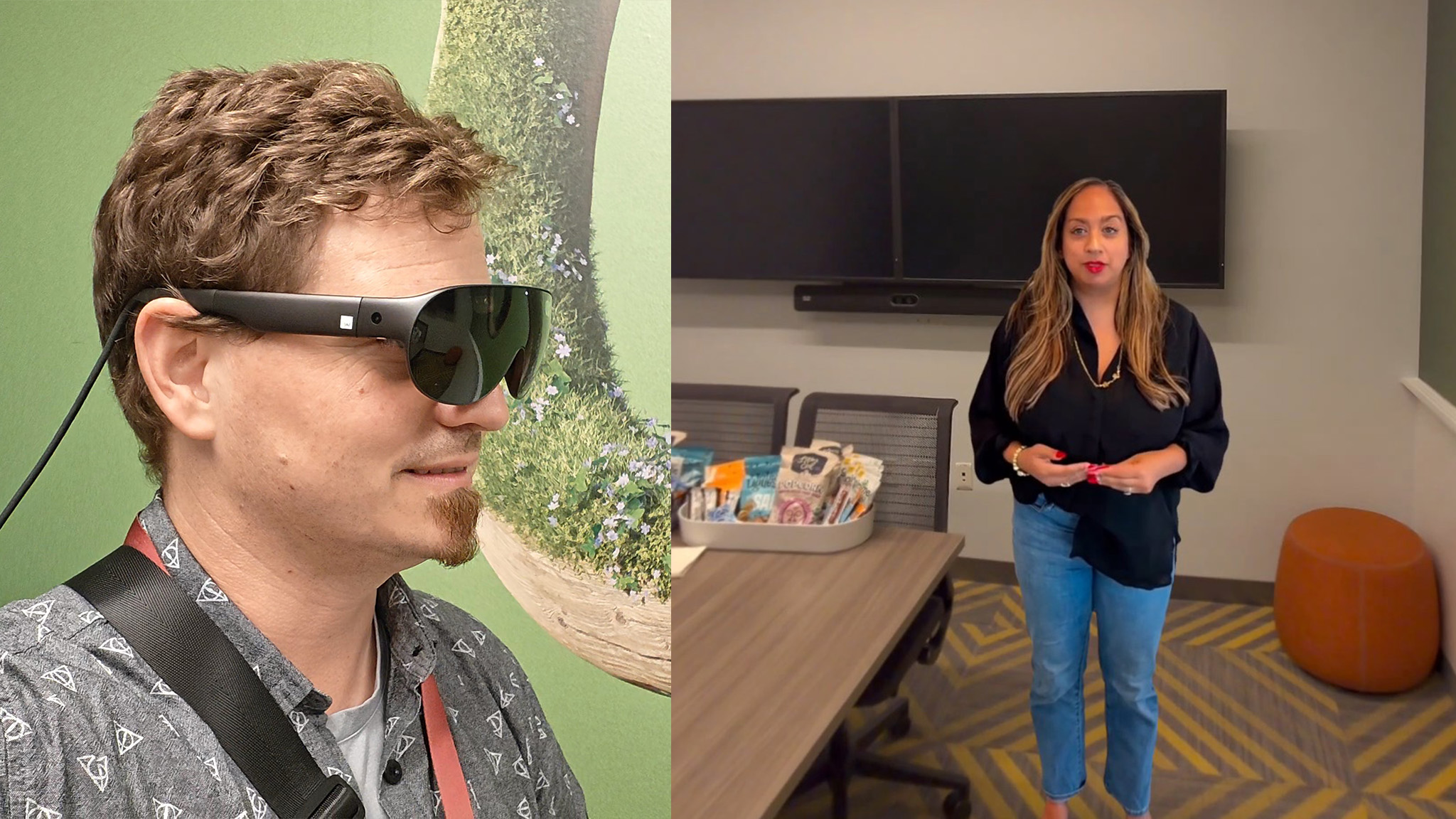
Once the initial smartphone scan is complete, the data undergoes a five-to-ten-minute server-side processing period powered by Meta AI. During this window, the artificial intelligence engine constructs a deeply personalized, high-fidelity 3D model capable of rendering seamlessly within Hologram-compatible applications. The practical application of this technology becomes immediately apparent when utilizing Meta Ray-Ban Display glasses. In a demonstration scenario, a Meta representative put on the smart eyewear, walked out of the room, and initiated a standard WhatsApp call. When the call was answered, the representative appeared on the screen looking completely natural, completely free of any visible hardware or glasses. Despite the visual confirmation of a normal face-to-face video feed, the person on the screen was not actually transmitting a live camera view; instead, the caller was being rendered entirely as a real-time Hologram generated by Meta AI.
The visual results of this technology are described as remarkably uncanny, blurring the line between physical presence and digital simulation. Because the system relies on advanced AI modeling rather than live camera feeds from smart glasses, it provides a unique privacy and communication paradigm. For instance, when utilizing Meta Ray-Ban Display glasses, the call appears directly on the integrated display, giving the recipient a clear view of the caller without requiring external camera lenses to constantly capture the physical environment of the person placing the call.
This technological evolution becomes even more pronounced when calls are answered within a virtual reality environment. Using Meta VR Glasses equipped with full-color passthrough video, users are able to clearly perceive their physical surroundings while simultaneously interacting with digital interfaces. Under normal circumstances, incoming calls in VR manifest as floating windows displaying the same standard Hologram format seen on smartphone WhatsApp applications, complete with a subtle three-dimensional spatial quality.
However, the true scale of the innovation reveals itself when the user activates the full-person display option. The floating call window gracefully dissolves, and the caller is suddenly projected directly into the room with correct human proportions, accurate height, and realistic spatial positioning. This creates the genuine illusion of a real-life hologram standing just feet away, moving with fluid, convincing gestures that correspond precisely with the caller’s actual voice and vocal inflections.
Significantly, this high level of realism does not require complex hardware setups, such as expensive full-body tracking suits or specialized studio environments. Meta AI possesses a sophisticated understanding of human movement and behavioral physics, allowing the system to accurately extrapolate gestures and body language based on the initial baseline data captured during the smartphone setup phase. In the demonstration environment, the digital Hologram even mirrored the exact clothing worn by the person in the physical world.
The interactive potential of these Holograms extends far beyond static positioning. Users can freely walk around a room while maintaining a conversation, and the Hologram remains anchored in place, dynamically adjusting its orientation to continuously face the observer. Furthermore, participants have the flexibility to manually reposition the Hologram anywhere within their physical space or resize the projection to better suit their immediate environment.
As part of the broader Meta ecosystem, Holograms are designed to be extensible. Through dedicated application programming interfaces, developers and external platforms will be able to adapt the technology to function across various applications, suggesting that these lifelike projections will soon appear far beyond the confines of WhatsApp and proprietary Meta hardware products.
Behind the scenes, Meta has dedicated years of research and development to perfecting this capability. Early iterations of the project were developed and discussed publicly under the technical moniker "codec avatars," a term that has now been streamlined into a more accessible brand name for its commercial release. Representing a monumental leap in visual fidelity and spatial computing compared to existing video communication tools, the Hologram system is slated for final release in the coming months, signaling a new chapter in how humans connect across physical distances.

Leave a Reply