
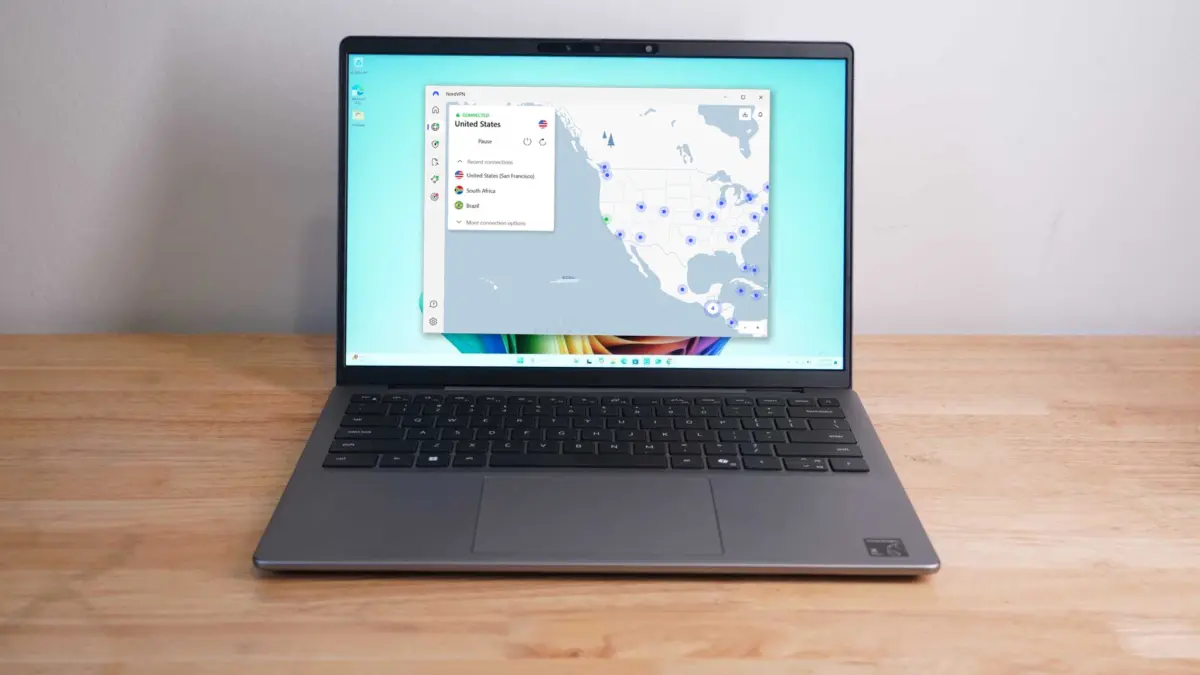
Navigating the modern internet landscape safely requires tools that protect your personal data and bypass arbitrary geographical restrictions. Whether your priority is safeguarding your privacy on public networks or unlocking location-restricted streaming content from around the globe, finding a reliable virtual private network is essential. However, the vast market of cybersecurity software can be overwhelming, and not every promotion floating around the web offers genuine value. To help consumers cut through the marketing noise, industry experts continuously monitor, test, and curate the top virtual private network promotions currently available, highlighting only reputable providers that have earned high marks in hands-on evaluations.
Because technology promotions shift rapidly, pricing and availability fluctuate constantly. The top virtual private network offerings reflect current market rates, giving users a reliable snapshot of where to find the deepest discounts on industry-leading software. Before committing to a long-term subscription, consumers are encouraged to evaluate their specific digital habits, weigh connection speeds, and review privacy frameworks to ensure they select a service tailored to their unique needs.
Best VPN Deals Available Now
Among the top-tier options currently discounted, NordVPN holds the position as the Editors’ Choice and overall top virtual private network pick. The service is currently running a prominent promotion on its two-year plan, bringing the cost down to just $3.49 per month, which amounts to a 69 percent discount off standard pricing. Additionally, new subscribers receive an extra three months free upon sign-up. Industry benchmarks consistently rank NordVPN as the fastest and most feature-rich option on the market. For users looking to maximize their subscription value, upgrading to the Complete tier for $4.49 per month introduces an extensive suite of security tools, including anti-malware protections, ad and tracker blocking, scam warnings, identity fraud monitoring, a built-in password manager, and one terabyte of secure cloud storage.
ExpressVPN is also running competitive discounts across its entire lineup of subscription tiers. While the entry-level Basic tier sits at $2.99 per month and provides access to the core virtual private network infrastructure, many analysts suggest the Advanced plan offers superior overall value. For an additional $1.50 per month, bringing the total to $4.49 per month, subscribers unlock a broader array of features such as comprehensive ad and tracker blocking, an integrated password manager, Identity Defender services, and expanded simultaneous device connections.
Rounding out the current selection of notable promotions, CyberGhost has introduced a seasonal special discount covering its two-year subscription tier. Priced at just $1.99 per month, the plan also includes an extra two months of service awarded automatically upon sign-up. This pricing represents one of the lowest entry points available for the service outside of major holiday retail events. CyberGhost stands out as a well-rounded option, particularly appealing to frequent travelers due to its vast network of global servers designed to handle international streaming and localized browsing seamlessly.
Frequently Asked Questions About VPN Shopping
What is the best VPN deal?
The most comprehensive virtual private network promotion currently available is the two-year plan for NordVPN’s Complete tier. Priced at $4.49 per month, subscribers gain access to the top-rated service featuring industry-leading connection speeds, dependable streaming compatibility, and rigorous privacy standards. Furthermore, this tier bundles advanced utilities like a password manager, proactive threat protection, and a substantial allocation of cloud storage, making it a robust package for privacy-conscious users.

When is the best time to shop for a VPN?
Timing a purchase around major retail sales periods remains the most effective strategy for securing the lowest rates. The most prominent promotional windows typically occur around late November during Black Friday and Cyber Monday. During these events, providers roll out their steepest discounts of the year. In recent years, many cybersecurity companies have chosen to extend these promotional rates past Cyber Monday, keeping discounted pricing active through the end of the calendar year.
What should I look for in a VPN deal?
Shoppers navigating the market should weigh several critical factors before locking in a long-term contract. The first consideration involves establishing a clear budget, determining monthly spending limits, and deciding whether paying upfront for a multi-year commitment makes financial sense. Users should also evaluate how long they intend to utilize the software, whether for a short-term vacation or permanent daily use, keeping in mind that the deepest discounts are almost exclusively tied to long-term commitments spanning two to three years.
After establishing financial parameters, buyers should compare infrastructural features, such as the total count of servers and available country locations. A solid baseline for a reliable service typically involves a network spanning at least one,000 servers distributed across 30 or more countries.
Assessing connection speeds presents a unique challenge, as real-world performance is difficult to test prior to purchase. Consumers should consult independent, expert evaluations that provide relative performance averages rather than isolated speed metrics to gauge how a service will perform under daily use. Finally, scrutinizing a provider’s privacy framework is paramount. Buyers must verify whether a company maintains a strict no-logs policy, whether its infrastructure has undergone independent third-party security audits, and where the corporate entity is legally domiciled. Transparency regarding data collection practices remains non-negotiable for anyone seeking genuine digital privacy.
What is a VPN?
A virtual private network establishes an encrypted, secure tunnel between a user’s computing device and the wider internet. When active, the software routes web traffic through a remote server operated by the provider, which can be situated domestically or in a foreign country. This routing mechanism masks the user’s actual internet protocol address, making web activity appear as though it originates from the server’s geographic location rather than the user’s real-world spot.
By utilizing this technology, individuals significantly reduce the risk of third parties snooping on their browsing habits. Only the user, the virtual private network provider, and the destination website maintain visibility over the transmitted data. Consequently, these services have become indispensable solutions for addressing online privacy concerns, preserving anonymity, securing vulnerable data on public Wi-Fi networks, and bypassing geographical content restrictions.



Leave a Reply