
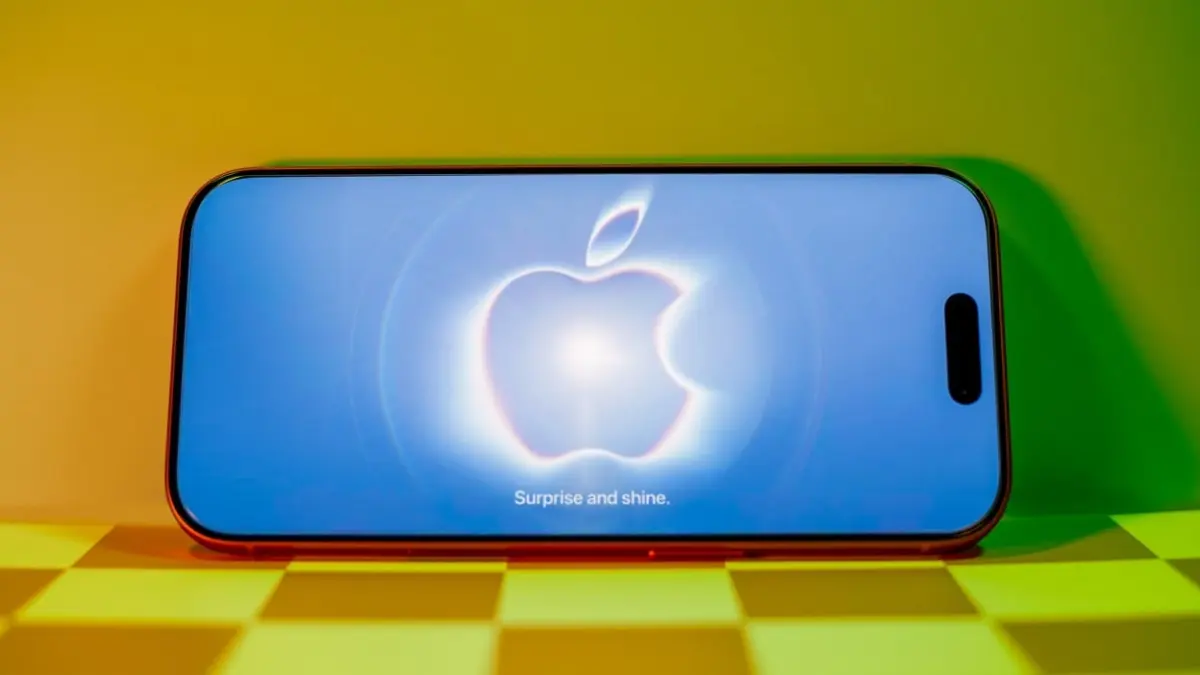
Apple is preparing for one of its most consequential product release events in years. Scheduled to broadcast virtually on Wednesday, September 9, at 1:00 p.m. Eastern Time, the presentation is expected to showcase significant shifts in the company’s mobile hardware strategy, headlined by the debut of Apple’s long-rumored first foldable device.
While the Cupertino technology giant officially maintains its standard silence regarding unreleased products, a robust stream of industry leaks, supply chain insights, and analyst reporting provides a clear look at what will be revealed. From the high-stakes introduction of a foldable smartphone to iterative refinements across its flagship iPhone and Apple Watch lines, the upcoming keynote is set to define Apple’s hardware direction heading into the next fiscal year.
The backdrop of this year’s announcements is further complicated by broader macroeconomic factors across the consumer electronics sector. Amid an ongoing global memory supply crunch that has elevated component costs across the board, consumer pricing is expected to reflect these broader pressures. Nevertheless, Apple appears poised to push forward with aggressive hardware advancements, deeper artificial intelligence integration, and novel form factors.
iPhone Ultra Announcement
The marquee revelation of Apple’s presentation is anticipated to be the iPhone Ultra, marking the company’s long-awaited entry into the foldable smartphone category. Representing perhaps the most radical structural shift in the iPhone’s history, the device aims to bridge the gap between traditional smartphone mobility and tablet-sized display real estate.
According to reliable supply chain disclosures, the iPhone Ultra features a dual-screen design. When folded closed, users will interact with a compact outer display measuring approximately 5.5 inches, maintaining a standard pocketable footprint. Unfolding the device reveals an expansive inner primary display estimated at 7.8 inches. Industry sources indicate that Apple’s engineering team has focused heavily on display integration, achieving a notable reduction in the visibility of the central fold crease—a persistent cosmetic challenge that has characterized competing foldable devices.
Under the hood, the Ultra is expected to lead Apple’s hardware transition to the new A20 system-on-chip. To support the graphics overhead and multitasking demands of its dual-screen format, the device is rumored to carry 12GB of RAM alongside an expanded battery pack ranging between 5,000 mAh and 5,500 mAh. Photography features will reportedly consist of a dual rear-camera array paired with a front-facing camera for traditional self-portraits and video calls. Interestingly, reports suggest that Apple may opt for Touch ID biometrics on the Ultra rather than its standard Face ID hardware array, likely to optimize interior space within the thinner, folded chassis.
However, the cutting-edge engineering and specialized display architecture come at a substantial financial cost. Compounded by industry-wide memory pricing increases—often referred to as the broader "RAMaggedon" supply squeeze affecting component production—the iPhone Ultra is widely expected to enter the market with a premium price tag. While Apple’s current highest-tier conventional device, the 2TB iPhone 17 Pro Max, tops out at $2,000, rumors suggest the baseline configuration of the foldable iPhone Ultra could start above the $2,000 mark, positioning it strictly as an ultra-premium flagship.
iPhone 18 Pro and iPhone 18 Pro Max Announcement
Alongside its foldable hardware, Apple will continue refining its conventional flagship designs with the introduction of the iPhone 18 Pro and iPhone 18 Pro Max. While retaining the recognizable structural aesthetic established by the iPhone 17 Pro series, the new models will bring targeted hardware improvements to display real estate, mobile photography, and custom silicon efficiency.
On the display side, the iPhone 18 Pro line is expected to feature a streamlined Dynamic Island cutout. By reducing the physical footprint of the front-facing sensor housing, Apple provides slightly increased usable screen area without abandoning the software interaction design introduced in previous generations.
The primary camera systems are also slated for a key technological upgrade: the addition of variable aperture lenses. Unlike the fixed apertures utilized in the iPhone 17 Pro family, variable mechanical aperture optics allow the camera sensors to dynamically adjust light intake based on ambient conditions. This advancement promises enhanced physical depth-of-field control and superior optical rendering in challenging low-light environments, bringing the iPhone’s hardware capabilities closer to traditional dedicated cameras.
Internally, both the iPhone 18 Pro and 18 Pro Max will share the new A20 processor with the Ultra, yielding incremental speed improvements and computational efficiency gains. Crucially, the devices are rumored to incorporate Apple’s in-house C2 cellular modem. The custom modem solution is expected to improve data transmission speeds while introducing specialized privacy protections directly at the baseband layer.
Battery capacities across the 18 Pro series are anticipated to grow slightly, supported by overall internal efficiency gains. As is standard practice, exact milliamp-hour ratings and structural layout changes will likely remain unconfirmed until hardware teardown analysis occurs post-launch. Exterior updates will primarily revolve around new color finishes, with reports highlighting options such as dark cherry, sky blue, and updated neutral tones including black and light gray.

Reflecting broader inflationary pressures and elevated bill-of-materials costs, pricing for the standard flagship line is projected to shift upward. Rumored base pricing places the iPhone 18 Pro at $1,299, while the larger iPhone 18 Pro Max could begin at $1,399, with higher storage tiers escalating accordingly.
Notably, entry-level consumer models—including the standard iPhone 18, the budget-oriented 18e, and the second-generation iPhone Air—are absent from expectations for this event. Reports suggest Apple may hold back these non-Pro variants until a separate spring announcement window in 2027.
Apple Watch Series 12 Announcement
Apple’s wearable division is set to receive its annual update with the unveiling of the Apple Watch Series 12. While maintaining the core design language established in recent generations, the Series 12 will focus on internal architectural enhancements and more continuous health tracking metrics.
At the core of the Series 12 is the S11 system-in-package processor. Arriving amid Apple’s broader corporate emphasis on artificial intelligence, the S11 chip is engineered to handle accelerated on-device machine learning tasks, enabling faster local processing for health algorithms and system interactions.
From a health telemetry standpoint, the Series 12 is rumored to introduce an always-on continuous heart-rate monitoring capability. Moving beyond periodic health sampling, this continuous sensor architecture mirrors dedicated athletic monitors like WHOOP, yielding a more granular stream of biometric telemetry for tracking cardiovascular strain and daily recovery metrics over extended periods.
Additionally, Apple is expected to reintroduce a premium ceramic casing option to the Apple Watch lineup, available in white and dark gray finishes. Ceramic models have historically commanded a significant premium—the previous ceramic Series 5 debuted at a $1,299 starting price—and given current manufacturing and component cost trends, a ceramic Series 12 variant is expected to reside at the upper end of the wearable price spectrum.
Apple Watch Ultra 4 Announcement
For high-end fitness enthusiasts and outdoor users, the Apple Watch Ultra 4 is anticipated to make its debut alongside the Series 12. Following the subtle hardware iteration of its predecessor, the Ultra 4 is expected to maintain its existing rugged titanium casing while inheriting the key internal updates introduced across the main watch line.
The Ultra 4 will feature the upgraded S11 processor alongside the new always-on continuous heart-rate tracking array. While deep structural redesigns are not expected for this generation, the combination of enhanced processing capabilities, continuous health metrics, and existing outdoor navigation tools will solidify the Ultra 4’s position at the top of Apple’s wearable lineup.
Potential Wildcard Announcements and Software Updates
Beyond its flagship mobile and wearable announcements, Apple may use the virtual platform to introduce several auxiliary smart home and audio products currently in development.
Chief among these potential secondary reveals is Apple’s long-rumored smart home display, often referred to as the "Home hub." Designed to act as a centralized command center for home automation, the device is reported to feature a 7-inch display, an integrated camera for video communication, motion detection sensors, and dedicated hardware to support Siri AI features, media streaming, and smart ecosystem management.
Other hardware wildcards include a revised Apple TV 4K featuring an updated system processor, a refreshed HomePod mini with enhanced internal silicon, and fifth-generation AirPods equipped with an updated H3 audio processing chip.
Finally, Apple will establish formal public release dates for its next major operating system updates. Timelines will be set for the rollout of iOS 27, iPadOS 27, macOS 27 Golden Gate, and watchOS 27. These free software updates will bring the company’s latest system features, security enhancements, and AI capabilities to supported devices globally in the days following the event.


Leave a Reply