
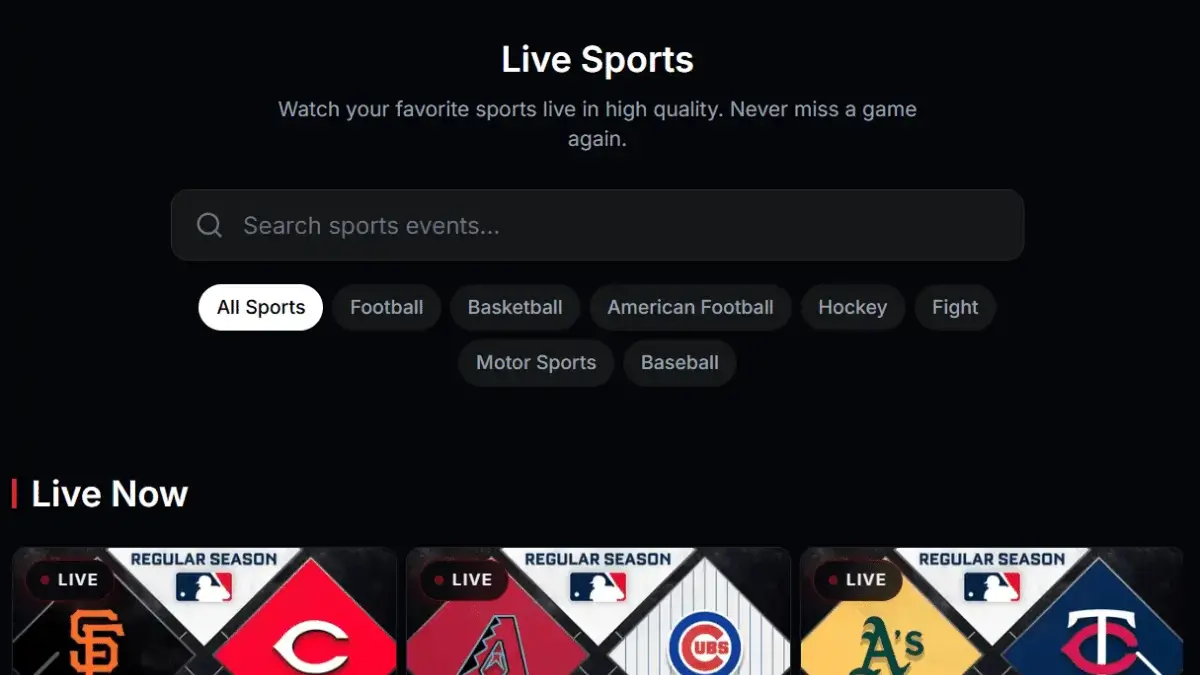
The digital piracy landscape is undergoing a notable shift as Cineby, one of the most heavily trafficked unauthorized streaming portals on the internet, follows through on a meticulously planned, multi-stage shutdown process. Drawing well over 160 million estimated visits in a single month according to web analytics data, the massive operation and its associated mirror networks have begun dismantling their infrastructure piece by piece, leaving behind a bewildered user base and a void in the unauthorized streaming ecosystem.
Cineby’s operators initially published a detailed schedule outlining how the site would systematically wind down its services over the course of more than a week. Rather than pulling the plug overnight—a common occurrence in sudden law enforcement crackdowns or unexpected domain seizures—the site’s administrators opted for a controlled demolition of their own platform. The staged approach began with the redirection of prominent mirror sites Fmovies+ and Cineplay directly to the main Cineby domain, setting off a rapid sequence of feature deactivations that ultimately aims to erase the network from the internet entirely by mid-September.

Despite speculation regarding the sudden cessation of services, the operators’ initial communications offered no explicit reasons for throwing in the towel, though they noted that the decision was final. The systematic phase-out sequence moved swiftly through the calendar. Following the redirection of companion portals, anime and sports streaming capabilities were disabled, followed shortly by the removal of file download options. As the days progressed, the site took down its account system, wiped user profile data, disabled film and television playback, and issued final farewell messages to the community. The final phase of the operation calls for every remaining domain associated with the network to be taken offline permanently, marking an irreversible end to the brand.
The operational retreat follows a sustained period of mounting legal pressure from international copyright holders, anti-piracy coalitions, and major entertainment conglomerates. Over the past year, Cineby found itself squarely in the crosshairs of global intellectual property enforcement campaigns. Notably, the Motion Picture Association highlighted the platform as a prominent and rapidly expanding unauthorized streaming operation in its submissions to trade authorities, explicitly linking the network’s operational footprint to Russia.
Furthermore, the Cineby brand became a frequent target in sweeping international site-blocking injunctions. Earlier this year, the portal was formally incorporated into high-profile judicial measures, including the United Kingdom’s omnibus pirate site-blocking order facilitated via infrastructure providers, as well as Canada’s expanded scope blocking orders designed to target both existing and emerging piracy networks. Additional legal blows landed in international jurisdictions, such as an order secured by media titan HBO through the Delhi High Court, which targeted several specific Cineby domains. Although the main domain managed to remain accessible for a time due to administrative delays at the registrar level, the cumulative effect of global courtroom battles steadily squeezed the platform’s operational viability.

While external legal pressure provides a plausible explanation for the sudden exit, industry watchers note that the lifecycle of major pirate streaming networks often involves strategic rebranding efforts. In previous instances, massive unauthorized streaming giants have orchestrated staged closures or sudden acquisitions, only to re-emerge later under entirely new branding to circumvent ongoing legal scrutiny. However, administrators and observers have pointed out that no immediate evidence suggests a direct corporate acquisition or structured rebranding campaign is underway in this specific instance. Instead, the final statements issued by the platform indicate a more organic operational burnout.
As the final deadlines approached, the administrators broke their long-standing silence with a comprehensive farewell statement addressed to the community. Reflecting on the platform’s history, the operators expressed deep gratitude to the millions of users who sustained the network, while acknowledging the spontaneous emergence of independent community spaces on platforms like Telegram, Reddit, and Discord. The operators also took the opportunity to warn their former users against fraudulent actors attempting to exploit the shutdown, noting that numerous low-quality copycat sites and malicious actors were already attempting to hijack the Cineby brand to deceive visitors.
Crucially, the operators revealed internal structural challenges as a primary catalyst for the shutdown. According to the final communication, the service had suffered a severe operational blow months prior when two of its primary video-hosting and infrastructure providers went offline permanently. Despite efforts by the administration to stabilize the platform and restore its technical backbone, the service failed to recover its former reliability. Rather than allowing the platform to degrade into a substandard experience, the operators chose to shutter the portal while its reputation remained intact, opting to leave behind the memory of a functioning streaming service rather than a compromised one.

With the final domains scheduled to be permanently disabled, the operators reiterated that no official successors or alternative portals exist, advising former visitors to exercise extreme caution when navigating the web for alternative streaming options. For now, the closure of Cineby underscores the volatile and transient nature of modern unauthorized streaming platforms, where technical vulnerabilities and relentless legal pressure continually reshape the digital media landscape.


Leave a Reply